Expectations around safety in high-rise residential buildings are evolving.
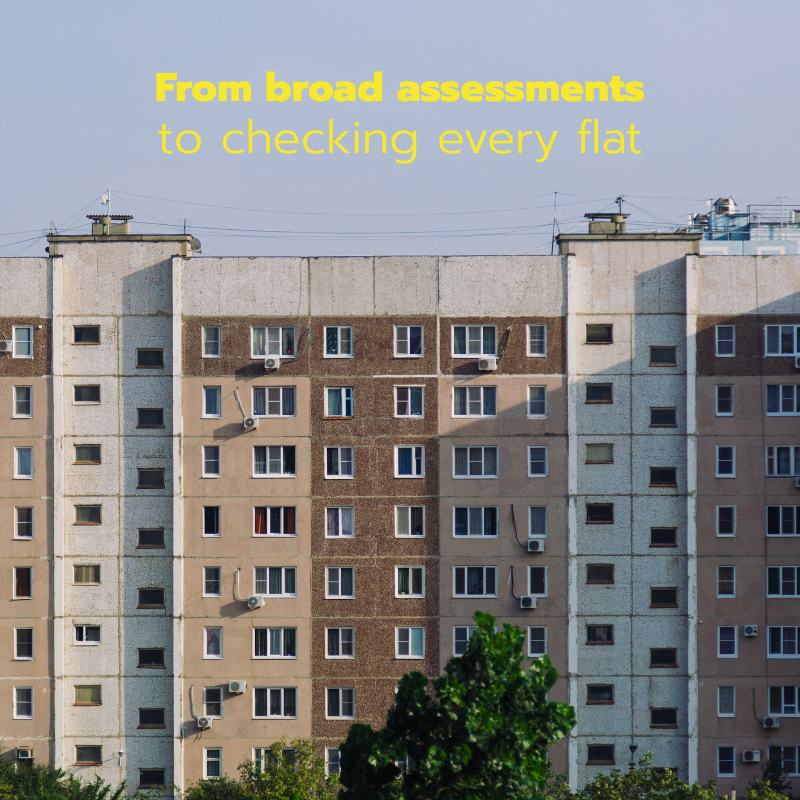
For local authorities and housing providers, it is no longer sufficient to rely solely on broad, estate-wide assessments of buildings conditions. The focus is shifting towards something more detailed and accountable: the ability to demonstrate that safety measures are effective at an individual flat level.
This shift from assessment to assurance is particularly relevant when it comes to window safety.
The limits of broad assessments
Broad, building-wide reviews are useful for spotting general issues across housing stock. They help highlight where problems might exist, where investment is needed, and give an overall picture of the condition of properties.
However, by their nature, they do not always capture the full picture.
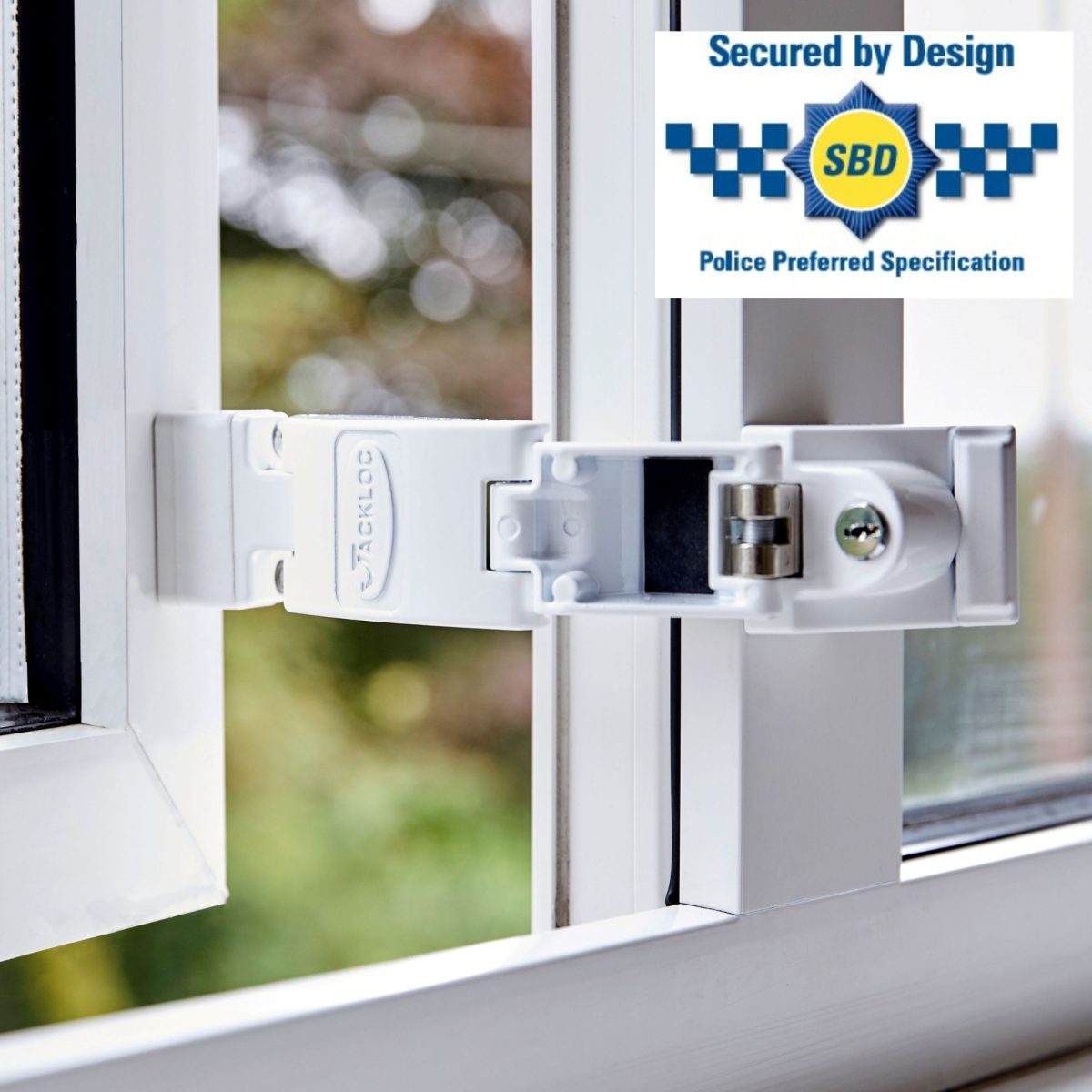
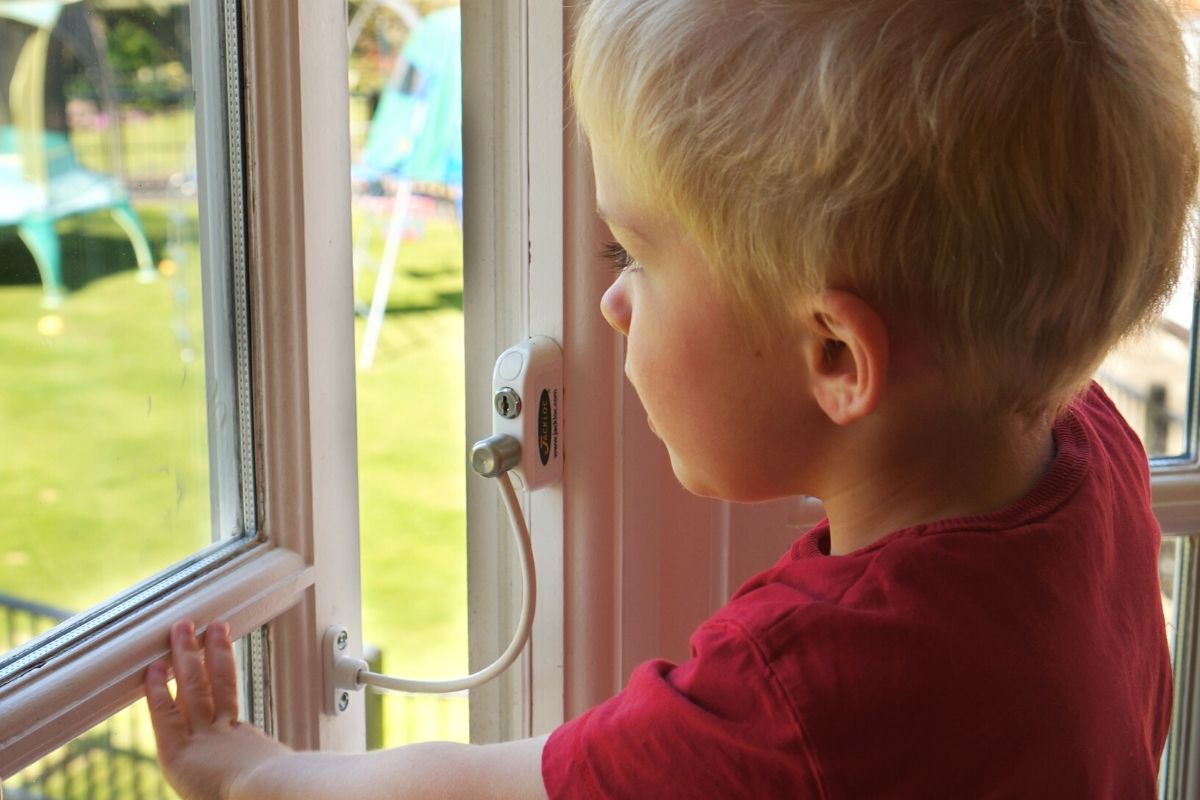
With the recent implementation of The Decent Homes Standard highlighting the importance of compliant child safety restrictors (BS EN 13126 / BS EN 14351), many Housing Associations and Councils are reviewing their current specifications.
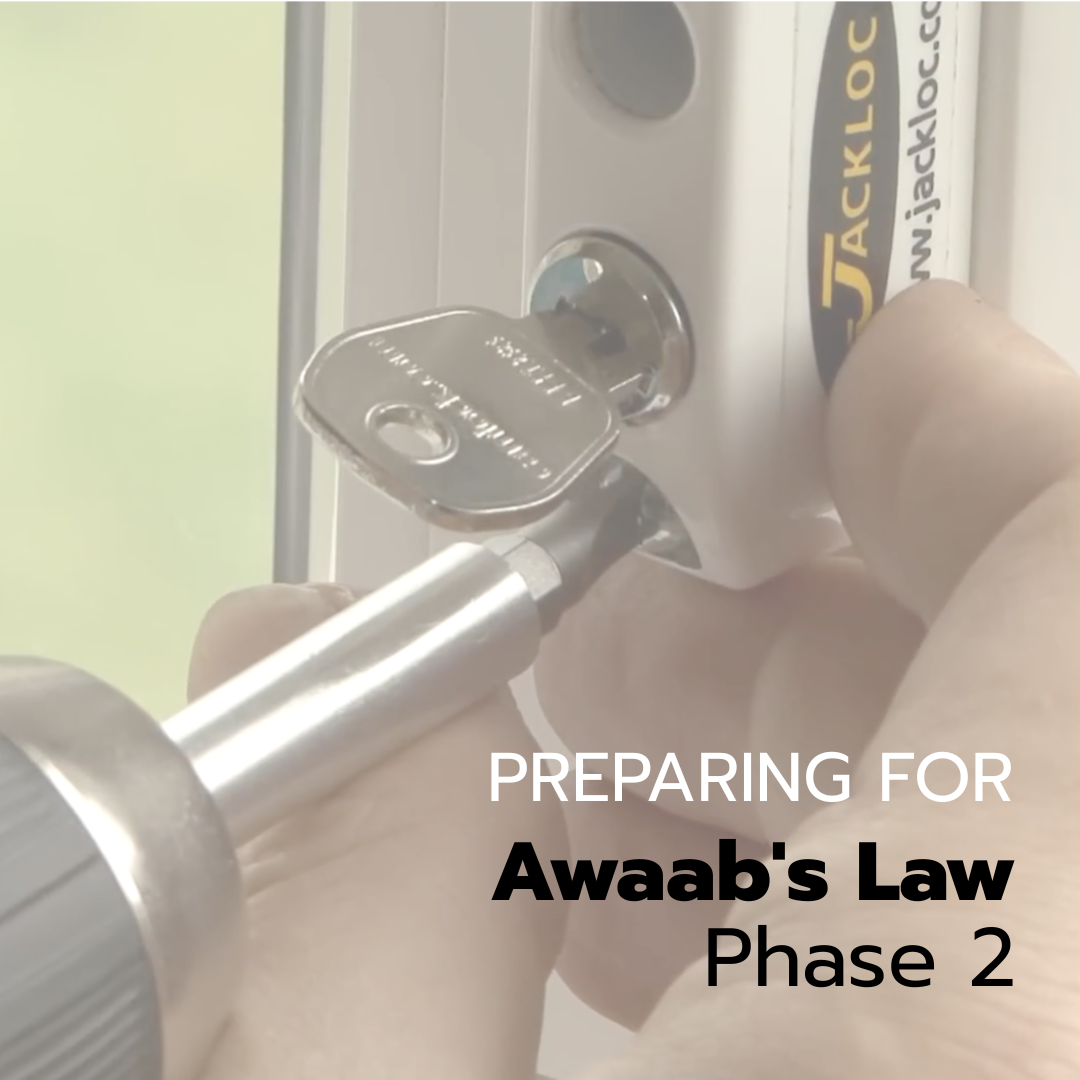
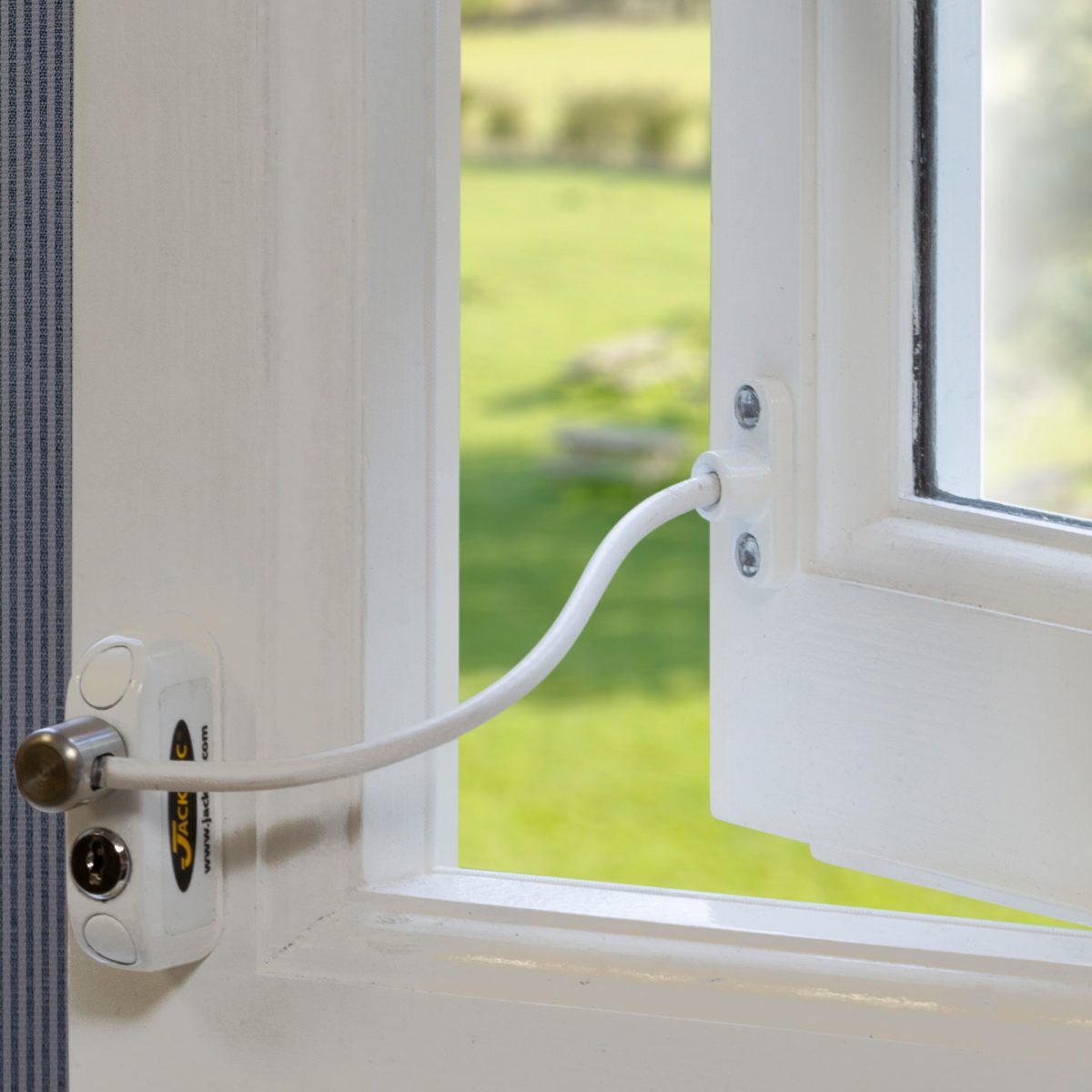
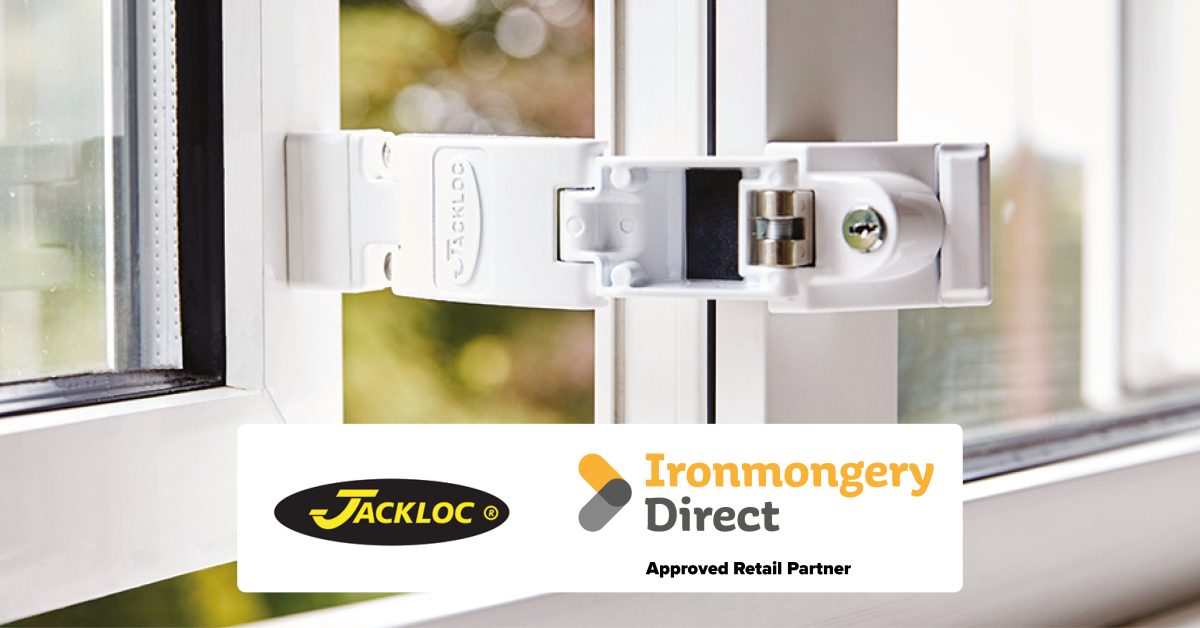
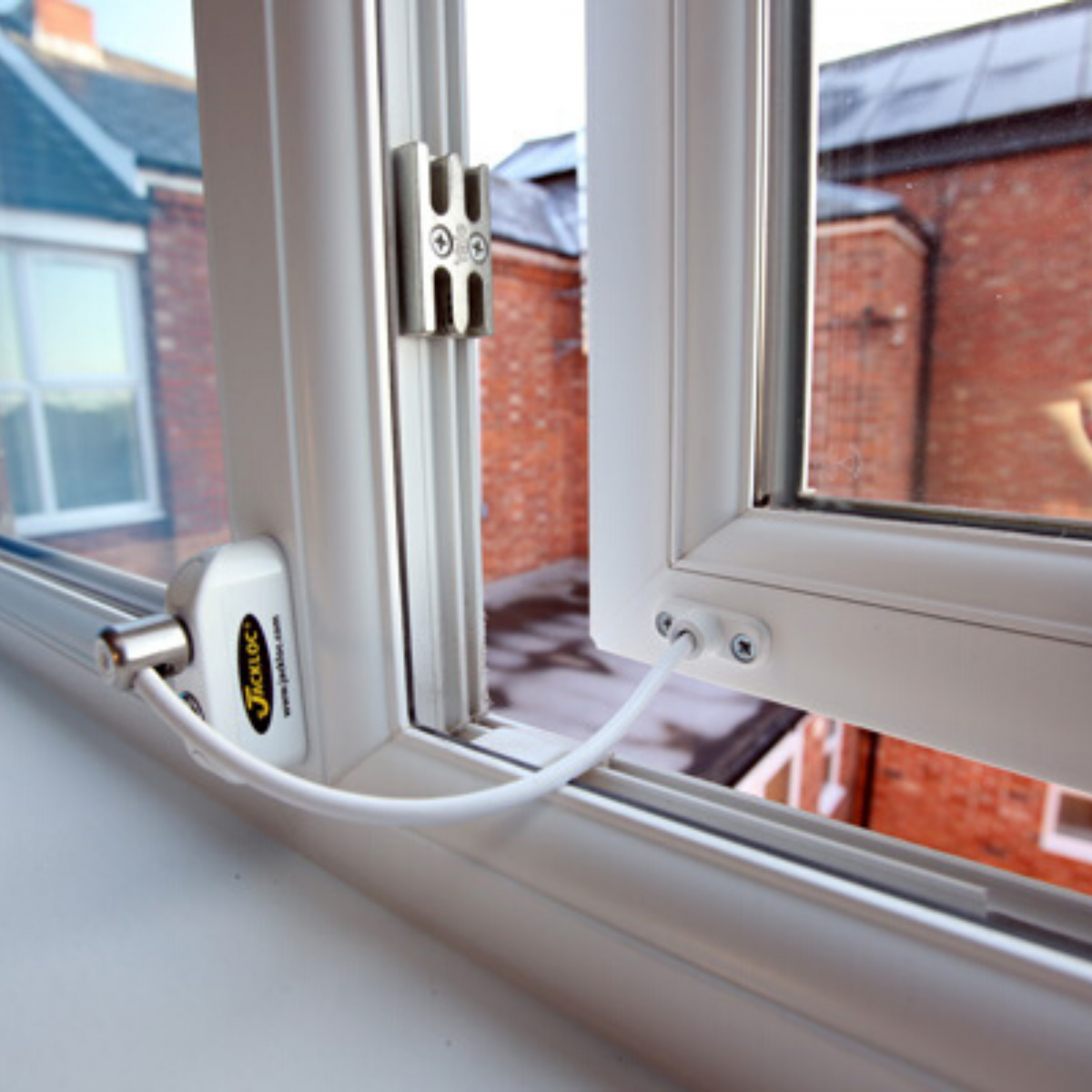
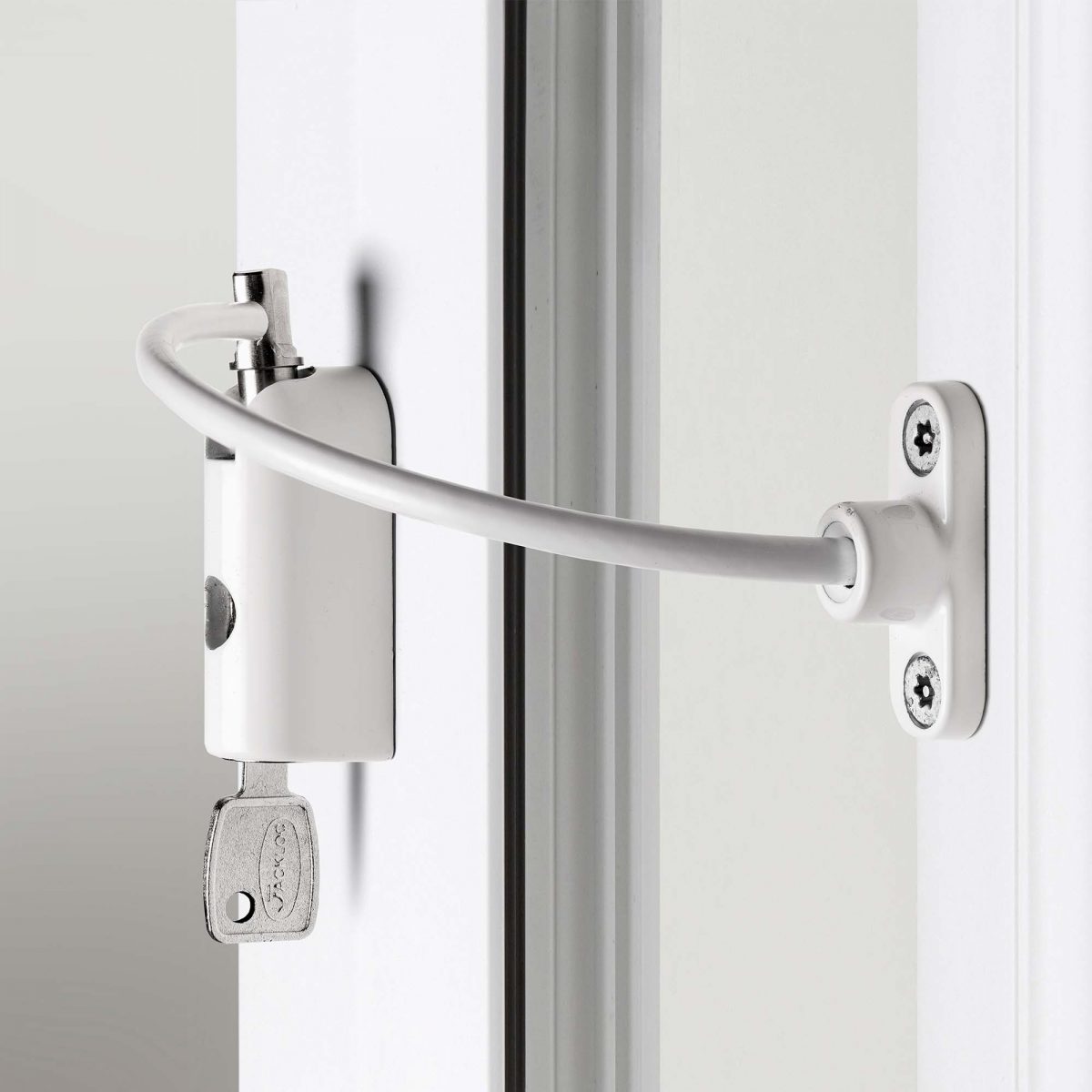
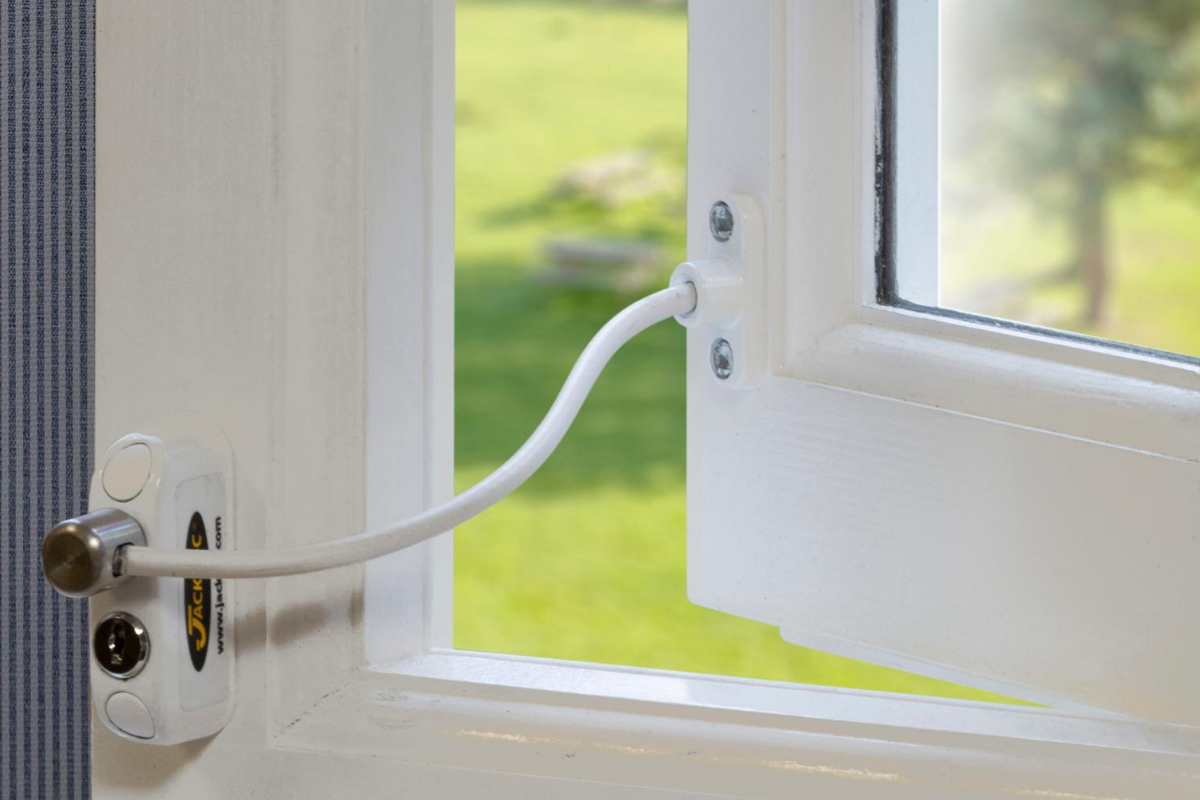
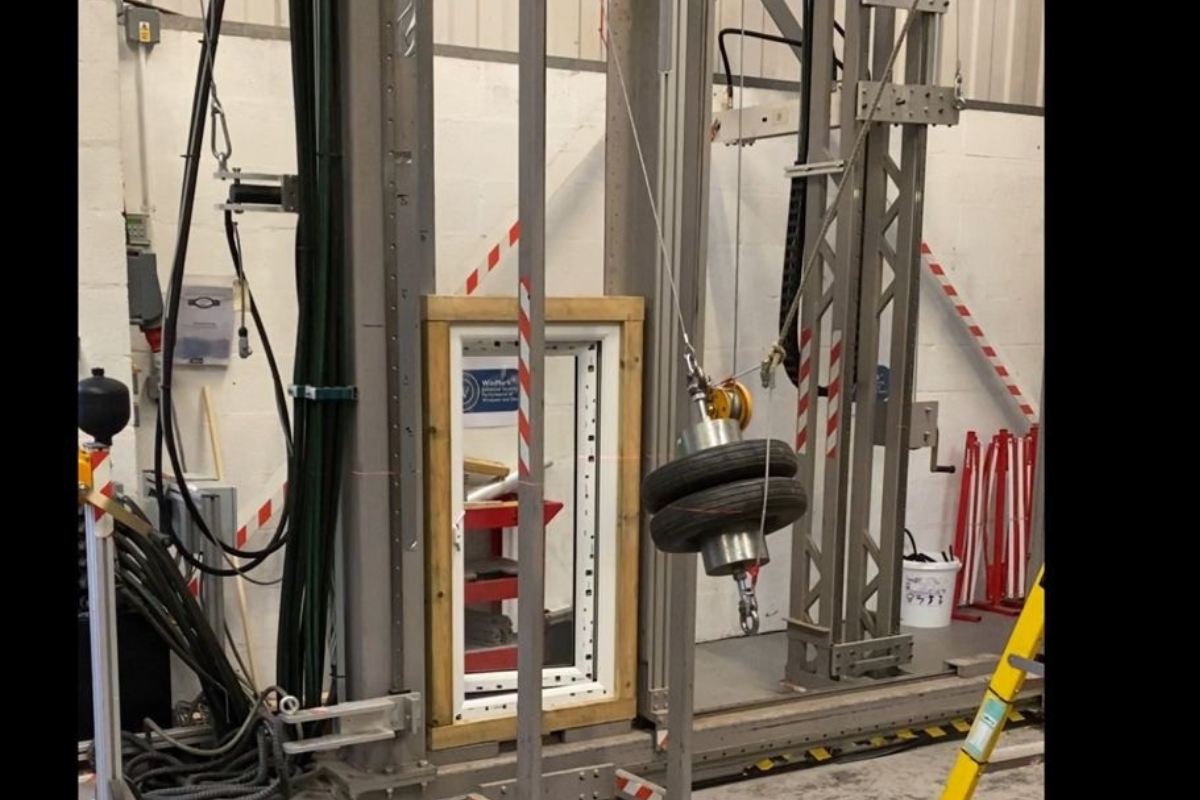
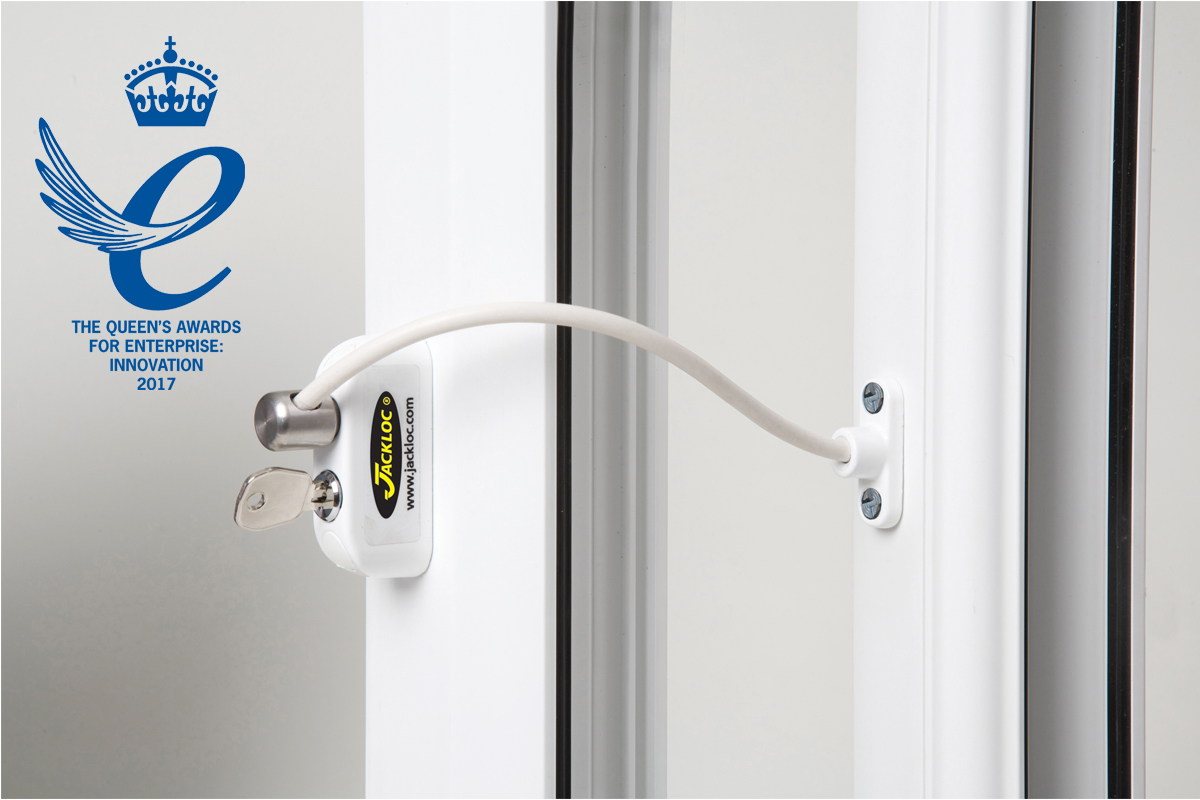
Window restrictors, for example, are small but critical components. Their effectiveness depends not just on whether they are present, but whether they are fit for purpose, correctly installed, functioning as intended, and resistant to tampering or override.
A broad assessment may highlight potential concerns, such as missing or worn restrictors, but it does not necessarily confirm the condition of each individual flat. As expectations around safety increase, that gap becomes more significant.
A growing emphasis on checking flat-by-flat
Across the sector, there is a clear direction of travel: towards more detailed, evidence-based approaches to safety.
In practice, this means being able to answer questions such as:
- Has every window restrictor been checked?
- Are the installed products fit for purpose in a high-rise environment?
- Can their performance be relied upon over time?
- Is there a record of inspection, maintenance, or replacement?
This level of detail provides confidence.
Not just internal confidence, but reassurance for residents, stakeholders, and regulators that risks are being actively managed.
What does “good” look like in practice?
Delivering this level of assurance requires a structured and practical approach.
Based on what we are seeing across the sector, four elements are consistently important:
- Flat-by-flat verification
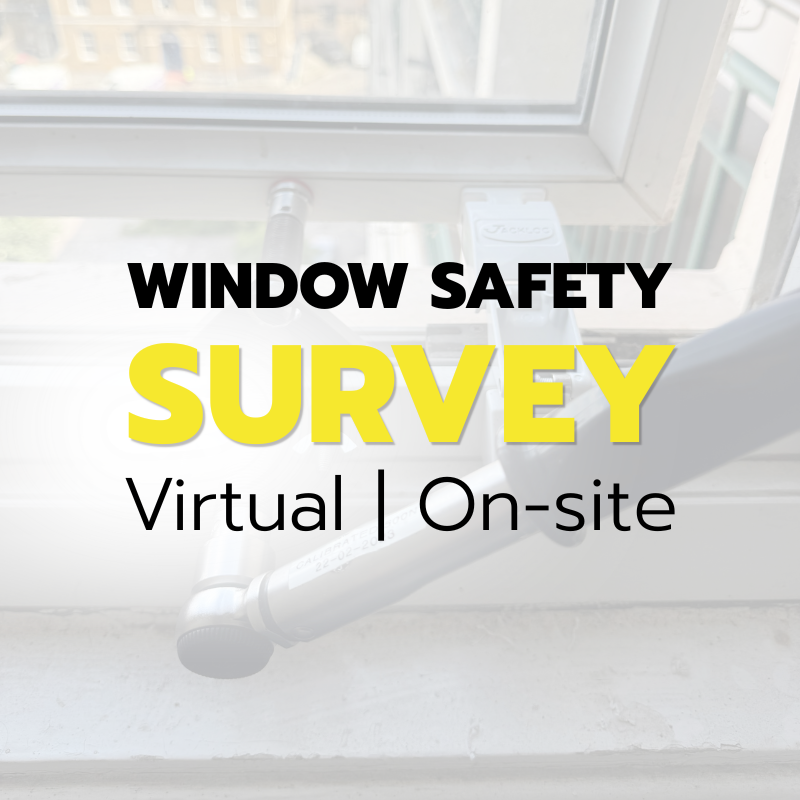
Checking every flat individually, rather than relying on sample checks, to confirm that window restrictors are in place and working properly.
- Appropriate product specification
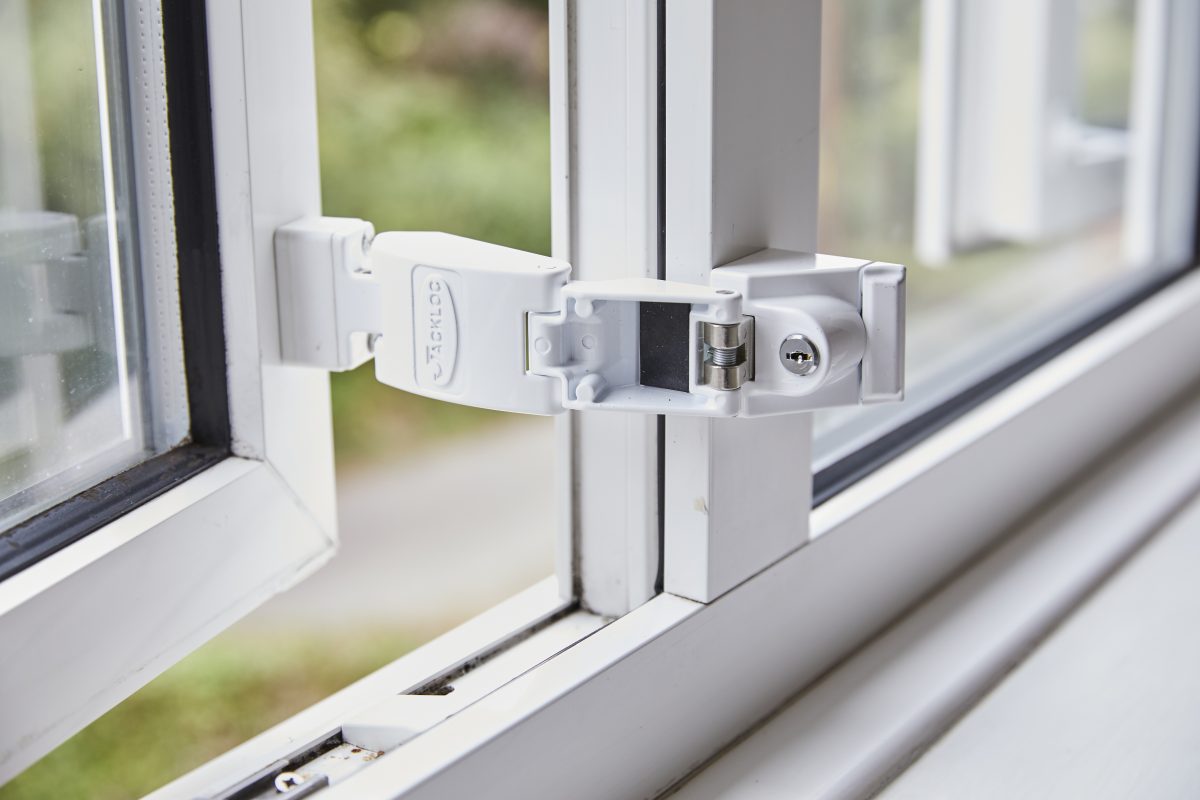
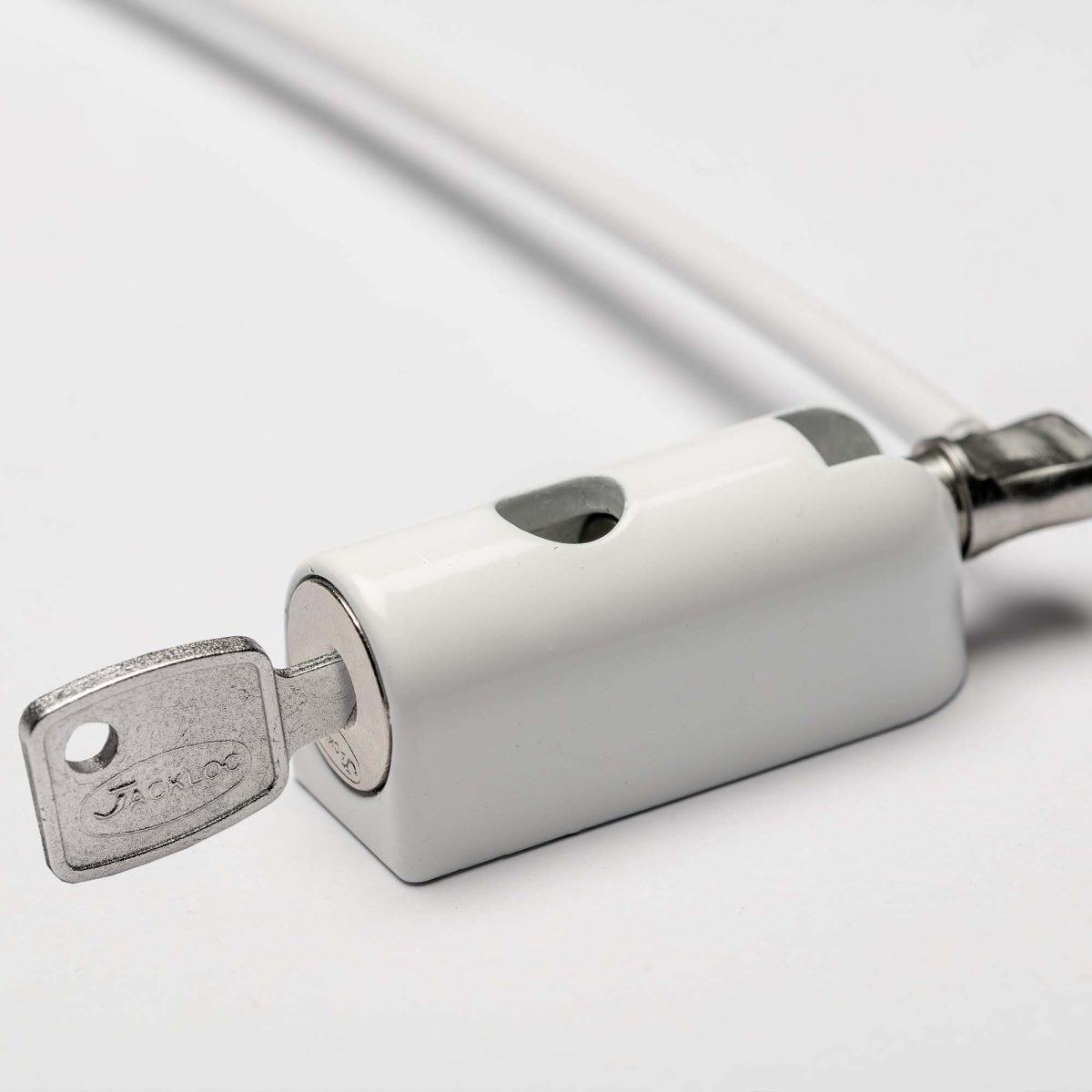
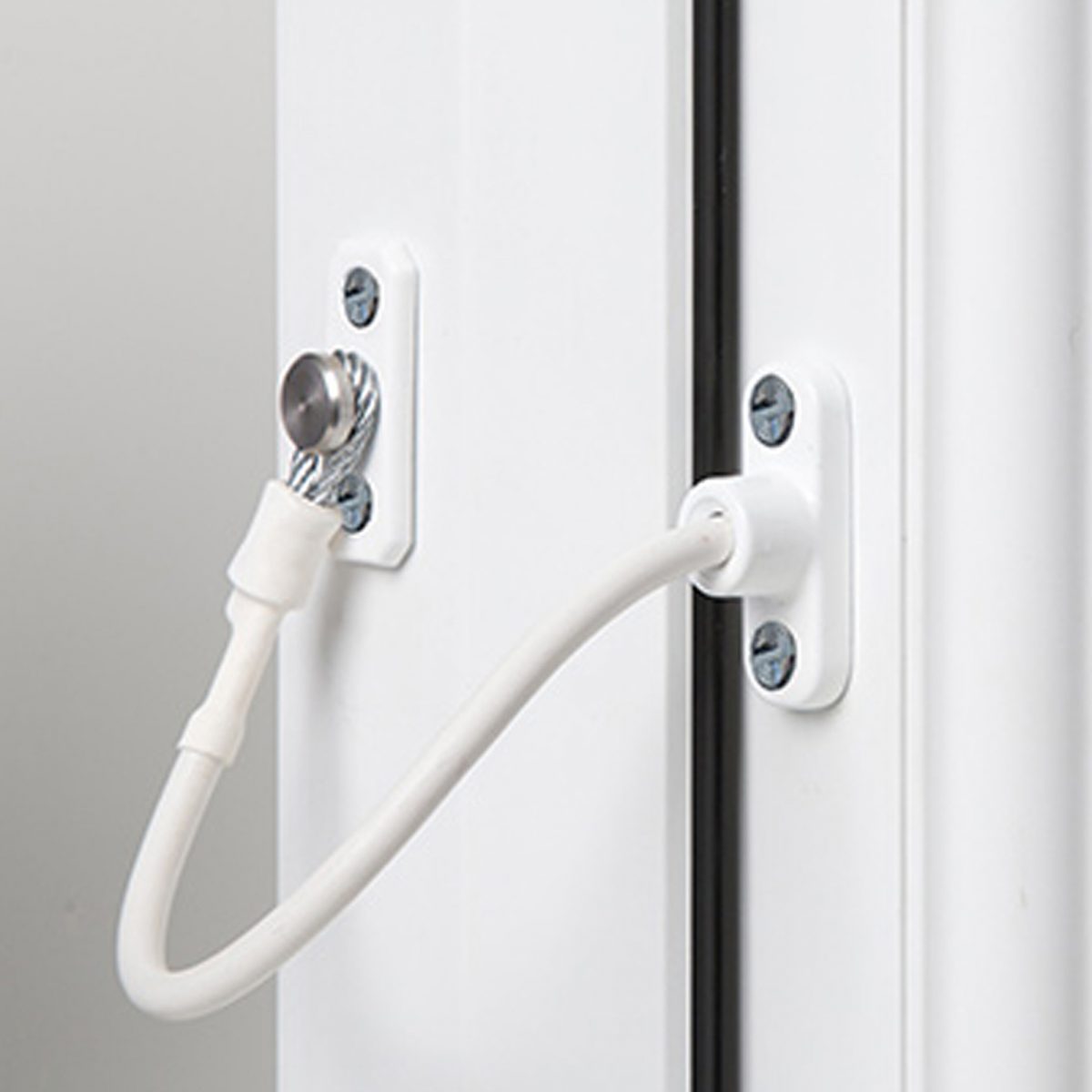
Ensuring that window restrictors are suitable for high-rise use, including resistance to override, fixings that cannot be removed and durable over time.
- Consistent inspection and maintenance
Establishing clear processes for ongoing checks, rather than one-off interventions.
- Documented audit trails
Maintaining records that demonstrate what has been inspected, when, and what actions have been taken.
The delivery challenge
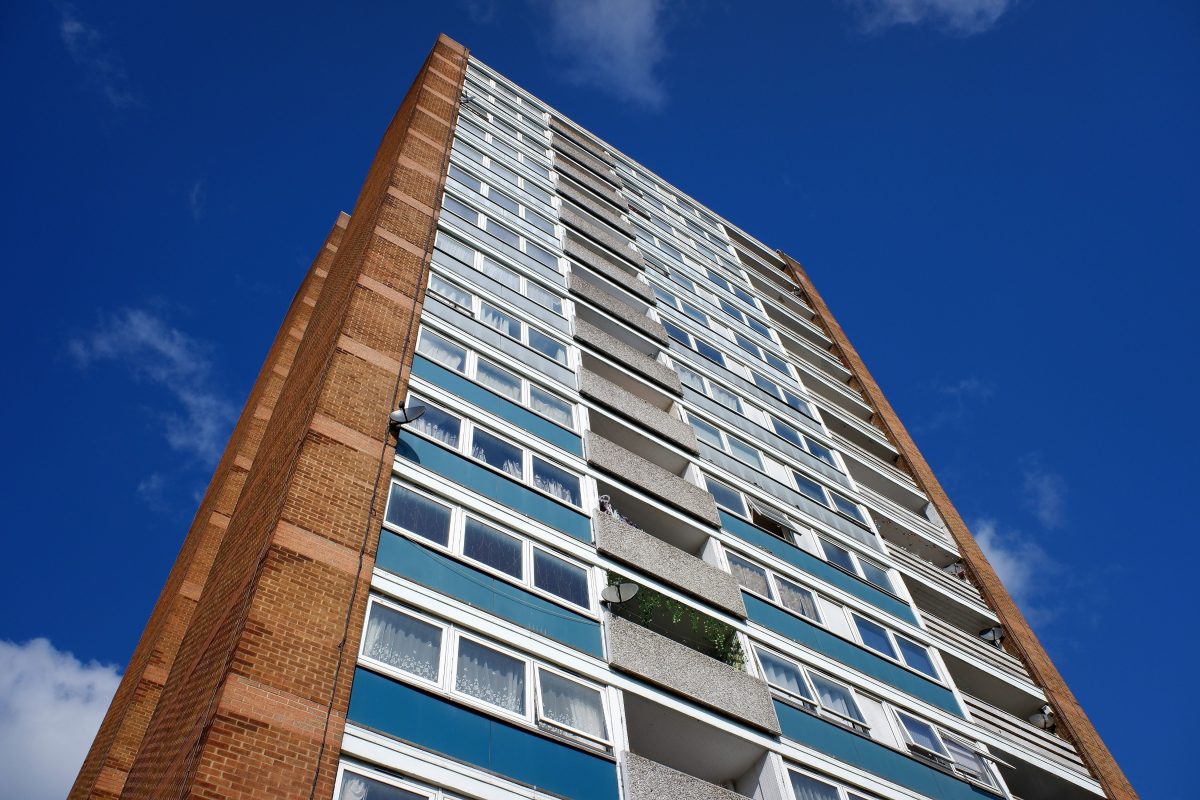
High-rise estates can include hundreds or thousands of individual flats. Gaining access, coordinating works, and maintaining consistency across multiple blocks requires a lot of careful planning.
There are also practical considerations around resident communication, prioritisation of higher-risk units, and the coordination of inspections and upgrading window restrictors where necessary.
For many organisations, the key challenge is not understanding what needs to be done but determining how to deliver it effectively at scale.
Supporting a practical approach
This is where the role of specification and product choice becomes important.
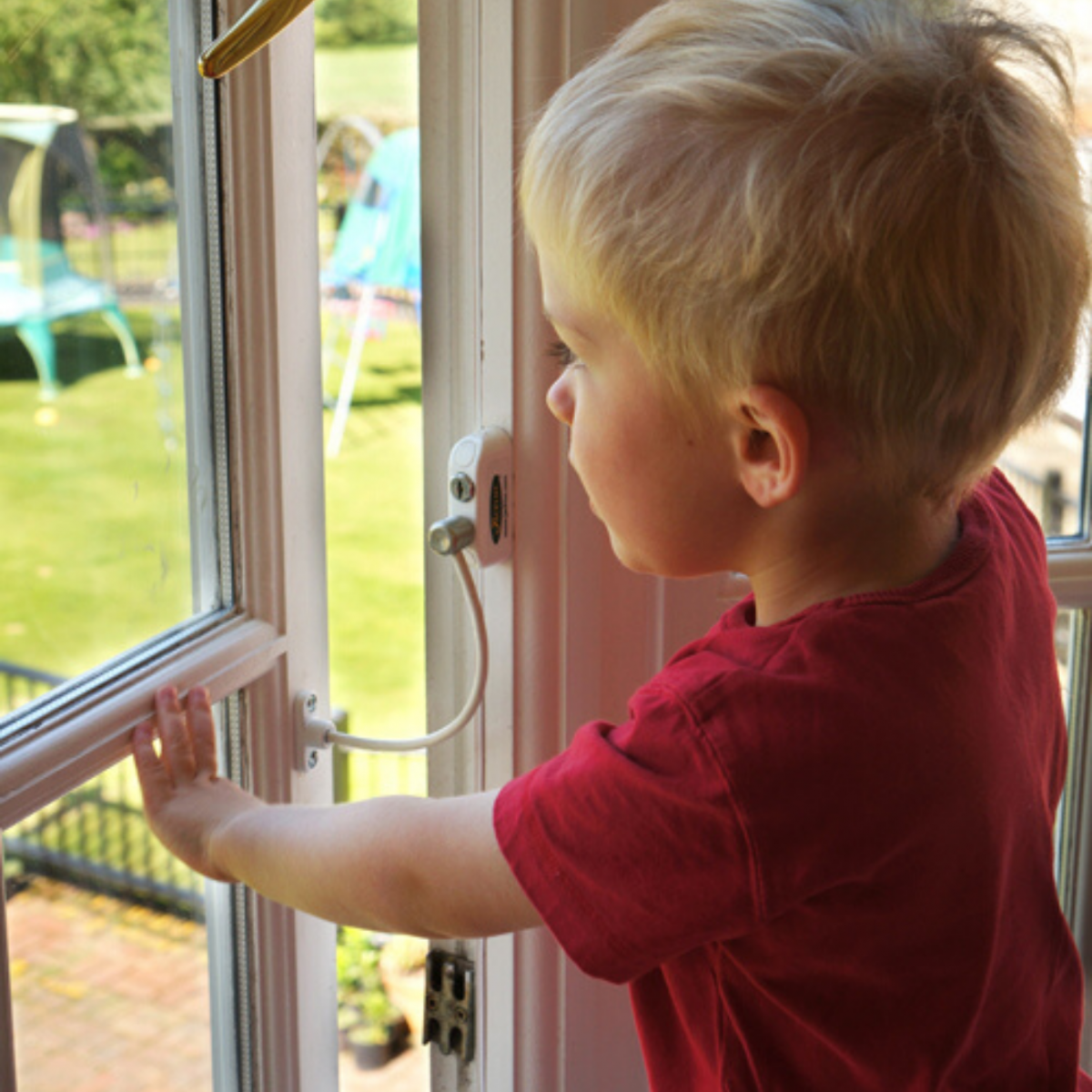
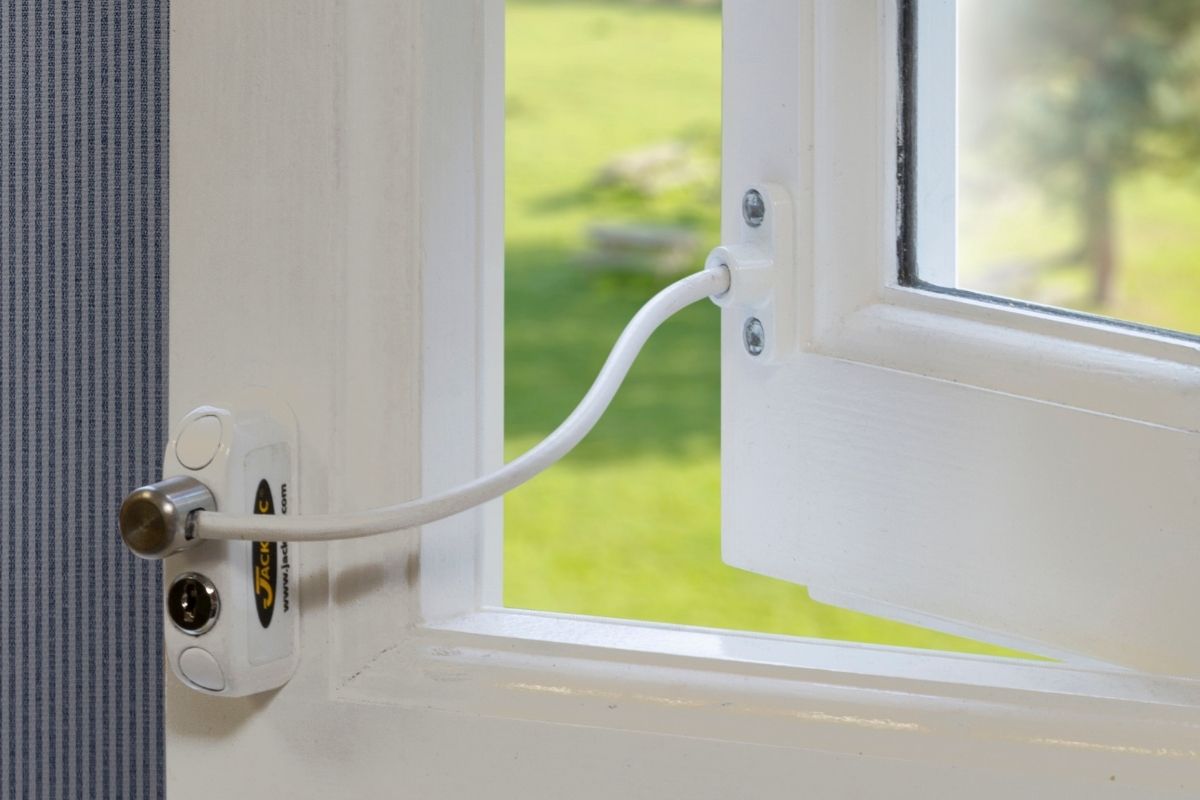
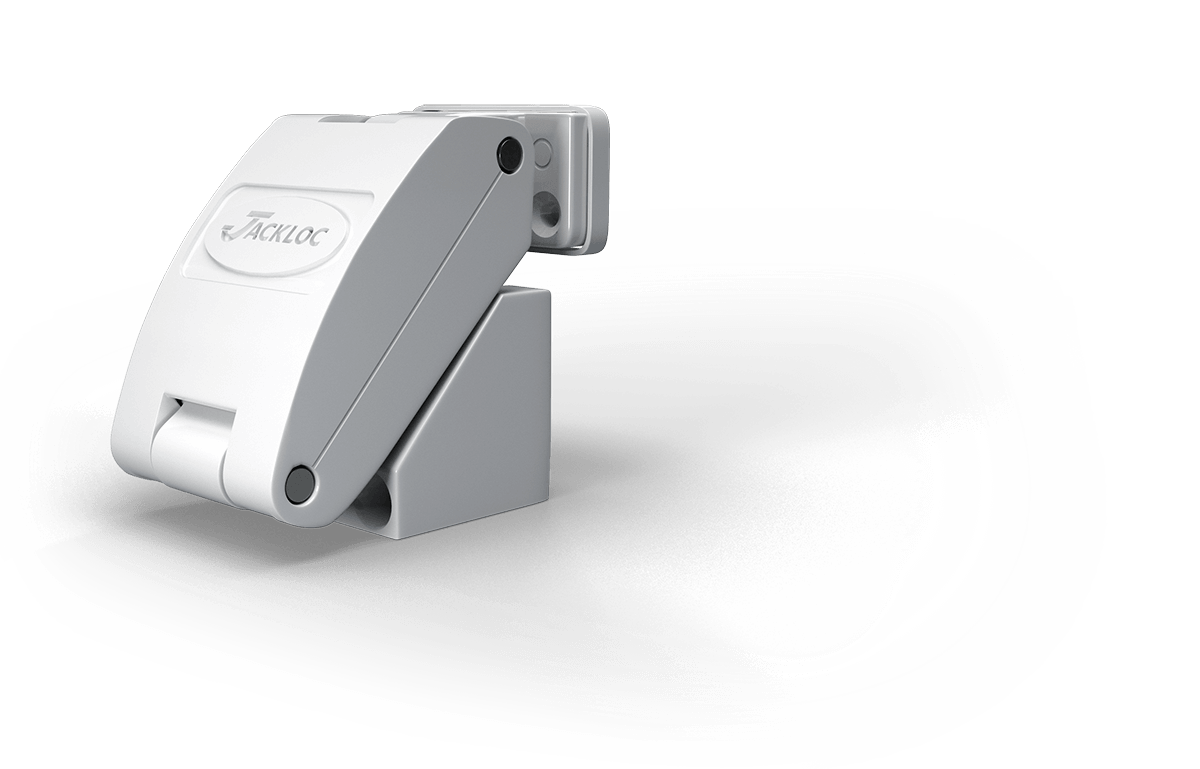
Window restrictors are often a relatively small part of a wider safety strategy, but their performance is critical. Window restrictors that are robust, tamper-resistant, and designed specifically for high-rise environments can help reduce risk and simplify ongoing maintenance.
At Jackloc, much of the focus has been on supporting this kind of practical delivery, working with housing providers to ensure that restrictor solutions are not only compliant, but suitable for real-world conditions.
That includes considerations such as ease of installation, durability, and alignment with inspection programmes.
Looking ahead
Expectations around safety in high-rise housing are continuing to grow, particularly when it comes to protecting residents and being able to clearly demonstrate that risks are being managed.
As a result, there is a shift away from relying on broad building-wide assessments and toward checking what’s happening in each individual flat.
For window safety, this means not just identifying where issues might exist but being able to show that window restrictors have been checked, are working properly, and are fit for purpose.
While this can be challenging, especially across large housing stock, it also provides an opportunity to take a more structured and consistent approach.
With the right processes, products, and support in place, housing providers can build a clearer picture of safety across their buildings and give residents greater confidence that their homes are safe.