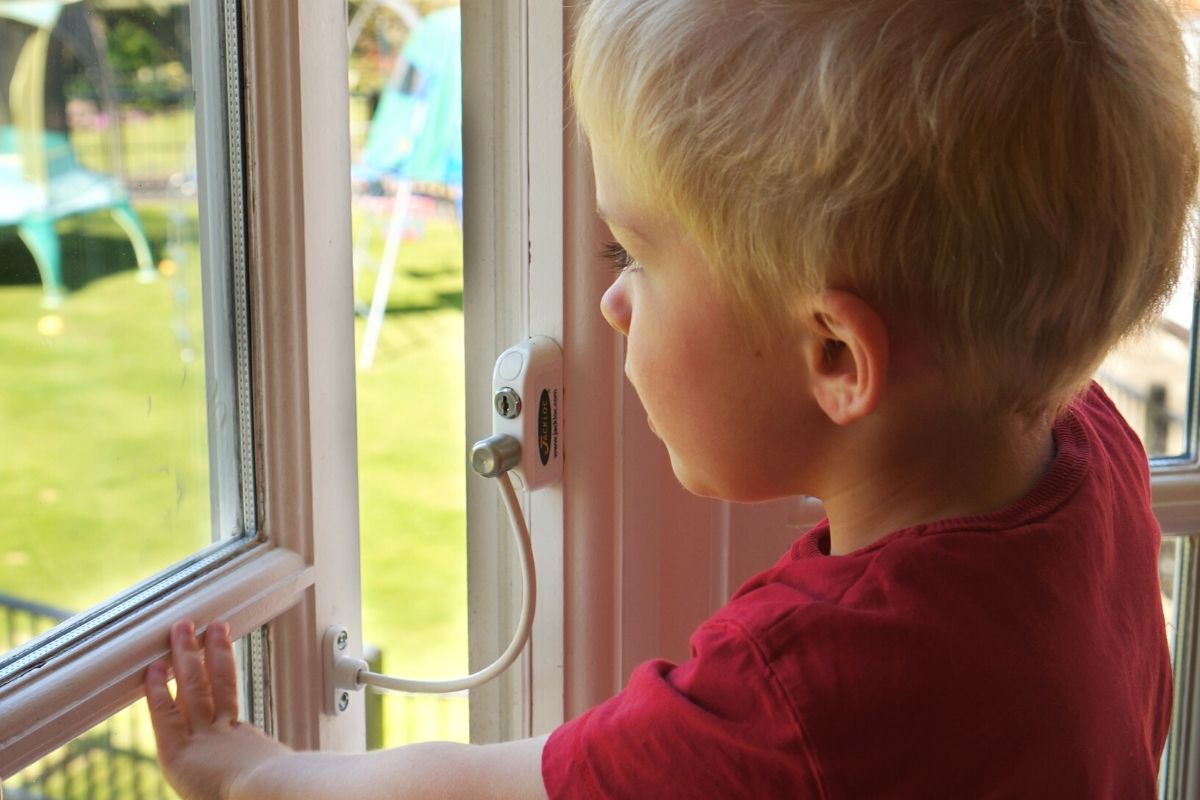

Care homes are some of the most complex environments to manage safely. Residents may be elderly, vulnerable, living with dementia, or have reduced mobility, all of which significantly increase risk when it comes to windows.
Balancing ventilation, accessibility, dignity, and protection is not straightforward. Yet one area continues to be underestimated across the sector: window safety.
Too often, the focus is on meeting the minimum standard. But in vulnerable settings, compliance alone does not protect people. Strength, reliability, and engineering quality do.
That’s why the choice of window restrictor matters far more than many decision-makers realise.
The Unique Safety Challenges in Care Home
Care homes face risks that most residential or commercial buildings simply do not.
Key challenges include:
- Residents with impaired judgement or reduced awareness of danger
- Increased likelihood of leaning, pushing, or applying sustained force to windows
- High-risk upper-floor rooms
- The need for regular ventilation without compromising safety
- Duty of care extending to residents, staff, visitors, and contractors
A window restrictor failure in a care environment isn’t just a maintenance issue, it can be catastrophic.
This is why product choice is not a box-ticking exercise. It is a safeguarding decision.
Window Safety in Care Homes: The Real Risk of “Minimum Compliance”
Many window restrictors on the market are designed only to meet the British Standard threshold, not exceed it.
On paper, this may appear acceptable. In reality, it introduces risk.
Why?
- British Standards set minimum performance requirements, not real-world safety margins
- Standard tests don’t always reflect sustained force, repeated loading, or misuse
- Some products pass initial testing but weaken over time
- Installation quality and fixing methods vary widely
Why Care Home Decision-Makers Must Look Beyond Compliance
Care home owners, directors, health & safety managers, and specifiers carry a serious responsibility.
If the unimaginable were to happen, investigators don’t just ask:
“Was the product compliant?”
They ask:
“Was the risk foreseeable, and were reasonable steps taken to prevent it?
Choosing a product purely on cost, when stronger, safer options exist, becomes extremely difficult to defend.
This is why leading care providers are increasingly moving away from budget restrictors and towards over-engineered safety solutions.
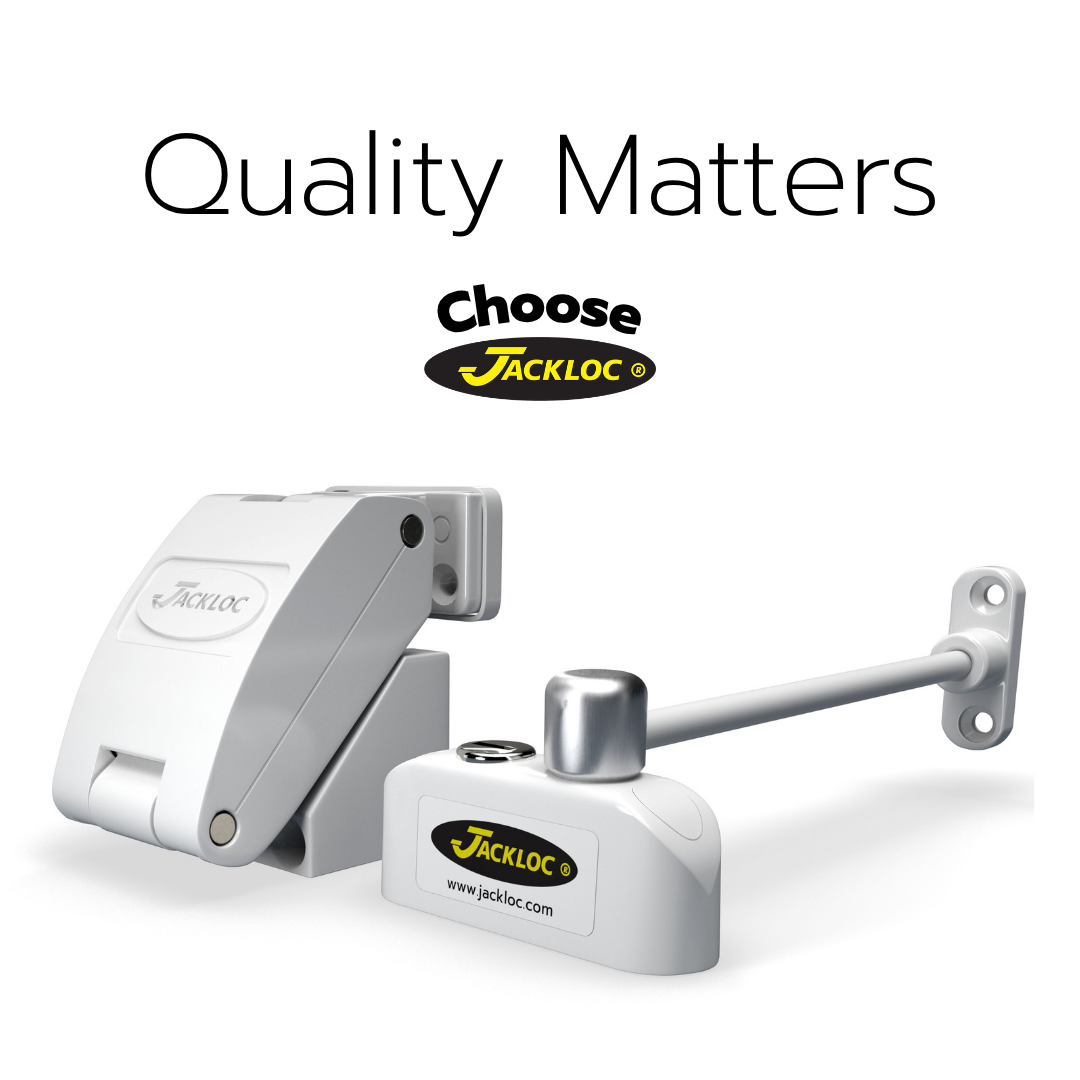
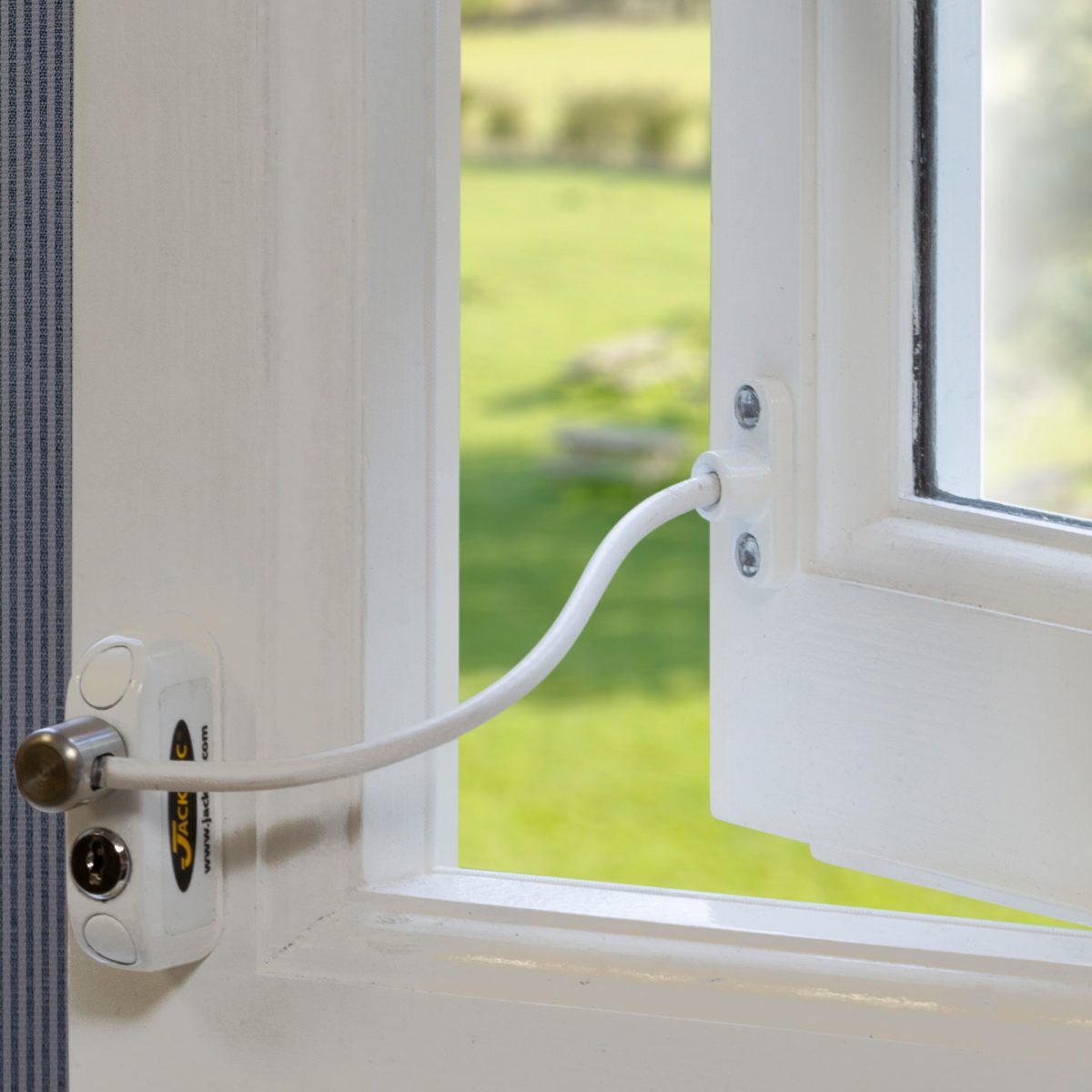
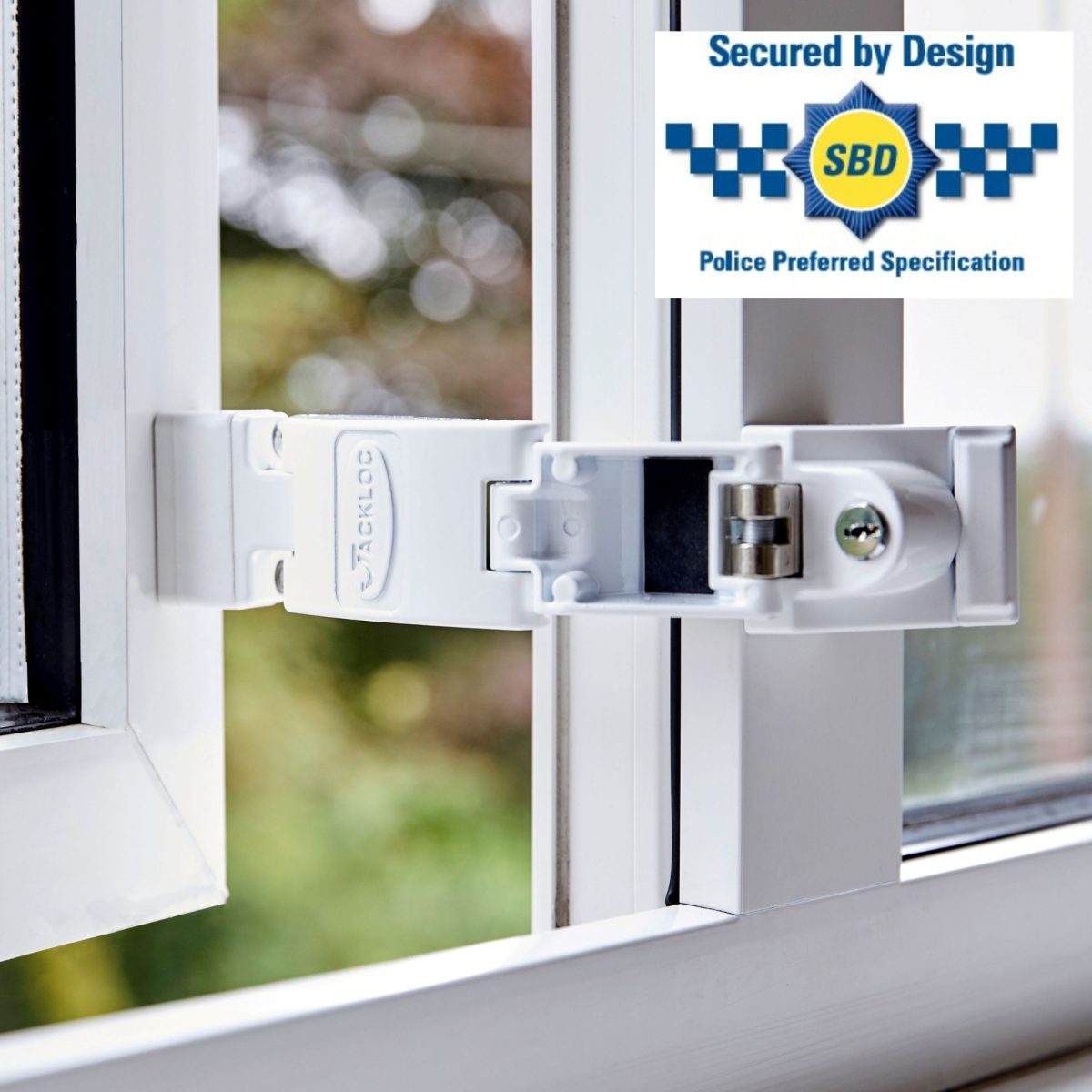
Why Jackloc Window Restrictors Are Different
Jackloc does not design products to just pass standards.
We design them to far exceed them.
What sets Jackloc apart:
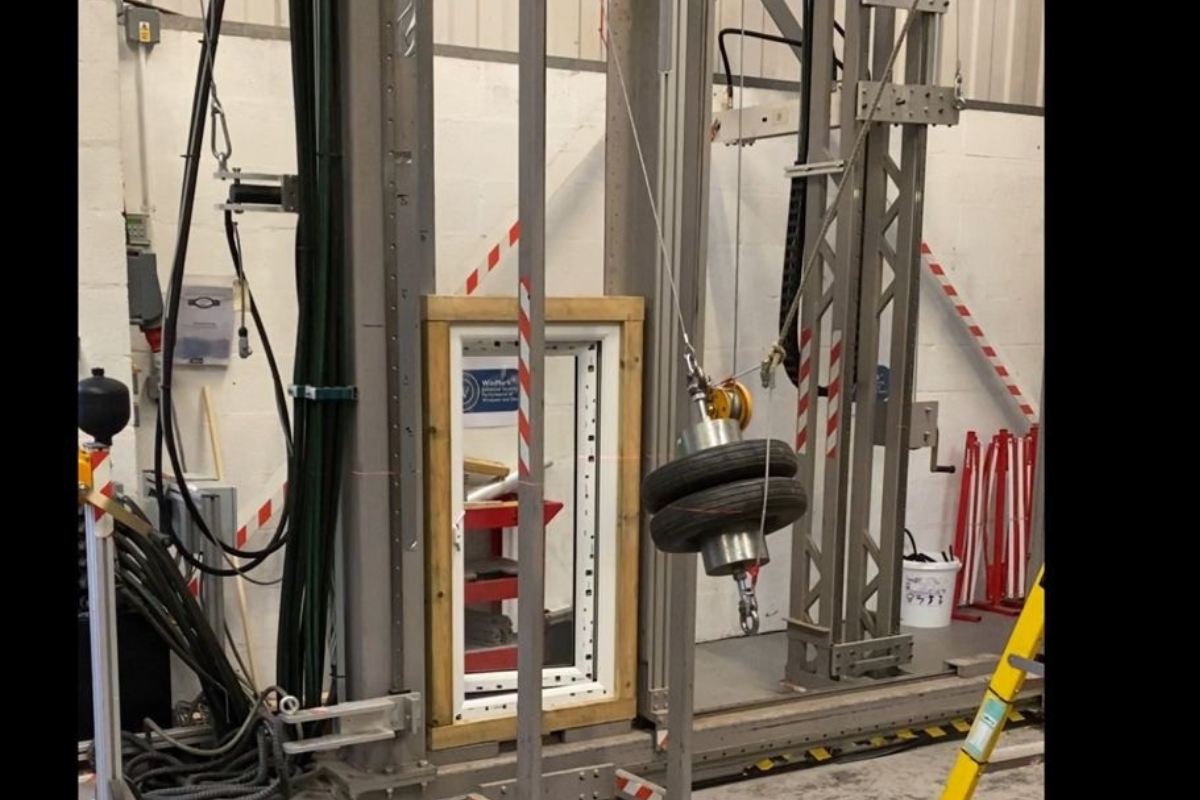
- Tested well beyond British Standard requirements, not just to them
- Engineered as a complete safety system, not a single component
- Designed to withstand real-world force, pressure, and misuse
- Trusted globally in high-risk environments for over 20 years
This approach is why Jackloc window restrictors are widely recognised as some of the strongest in the world.
A Whole-System Approach to Window Safety
Many competitors focus only on the restrictor body.
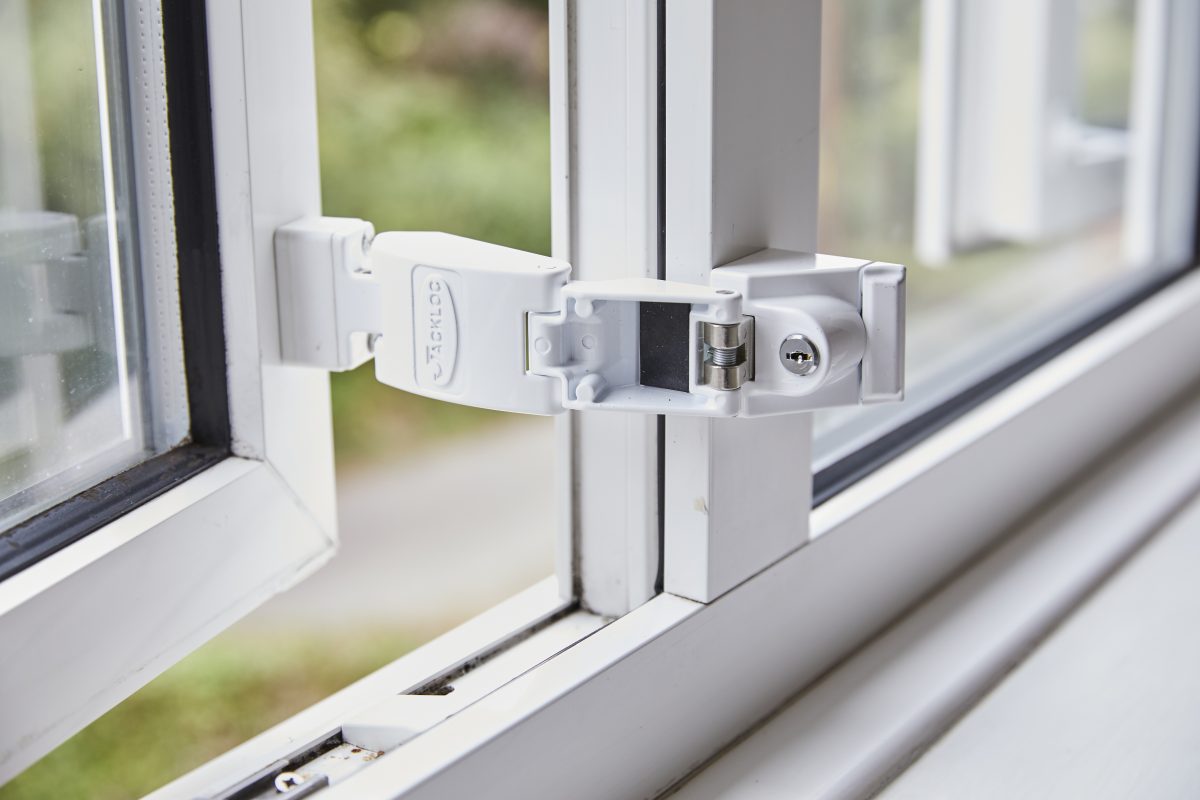
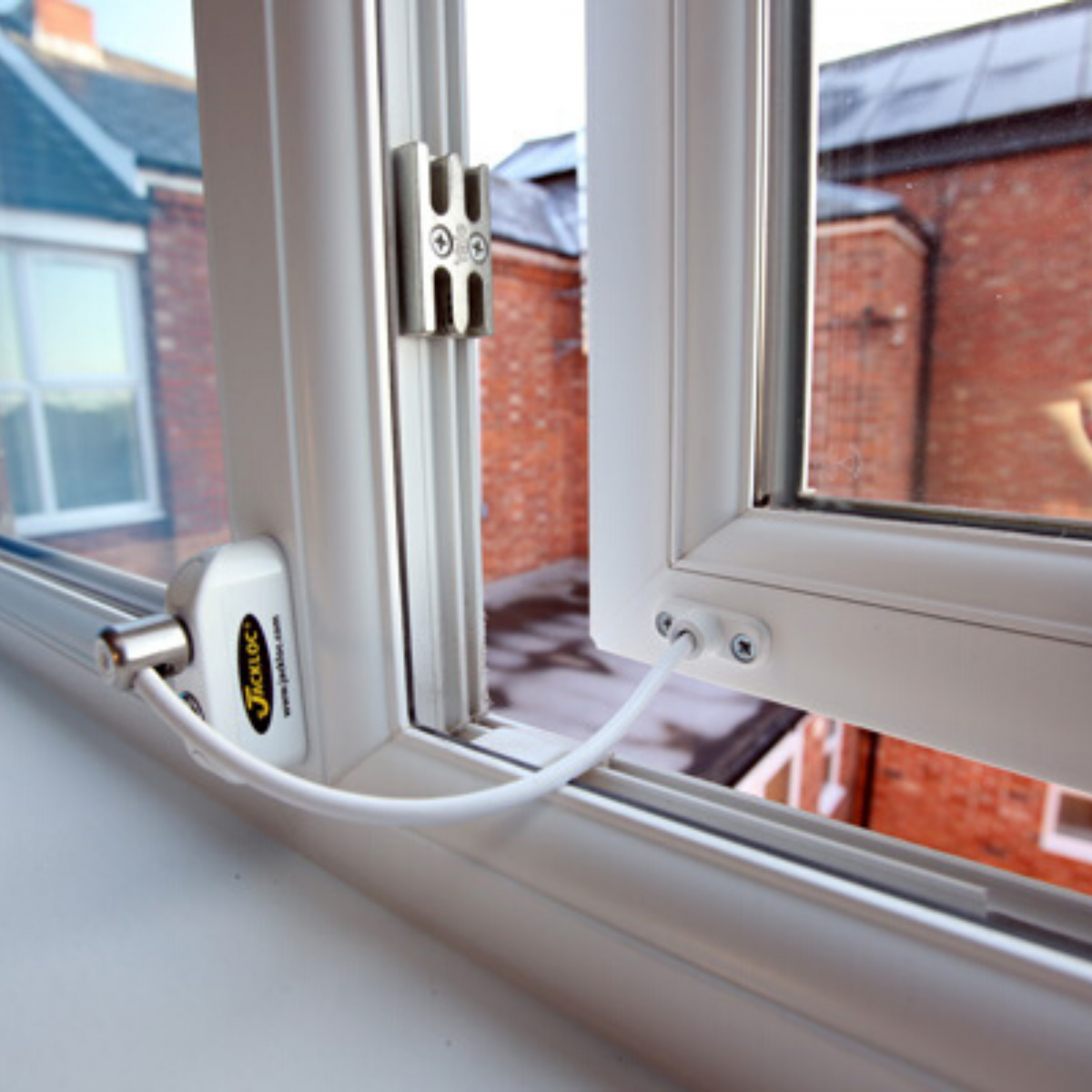
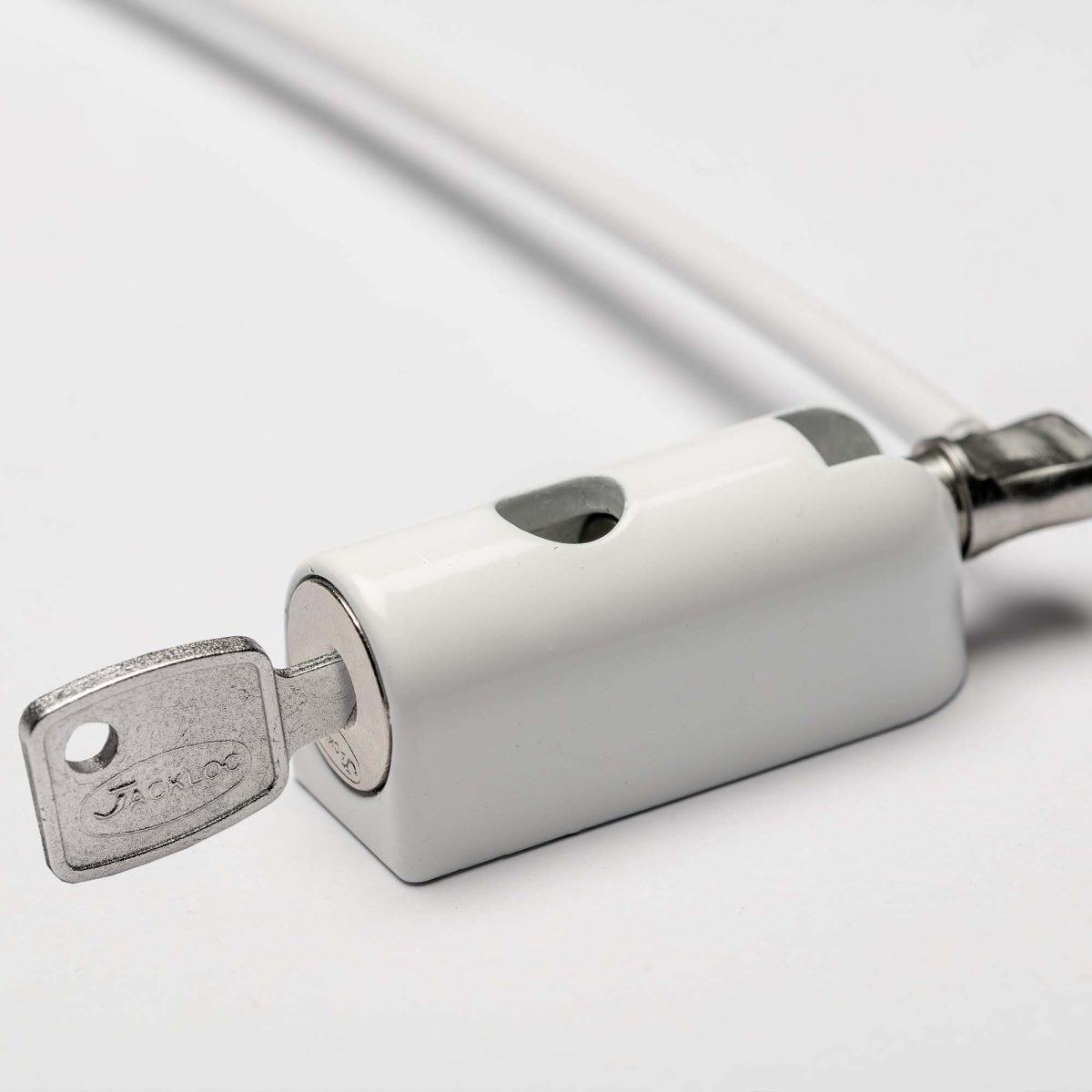
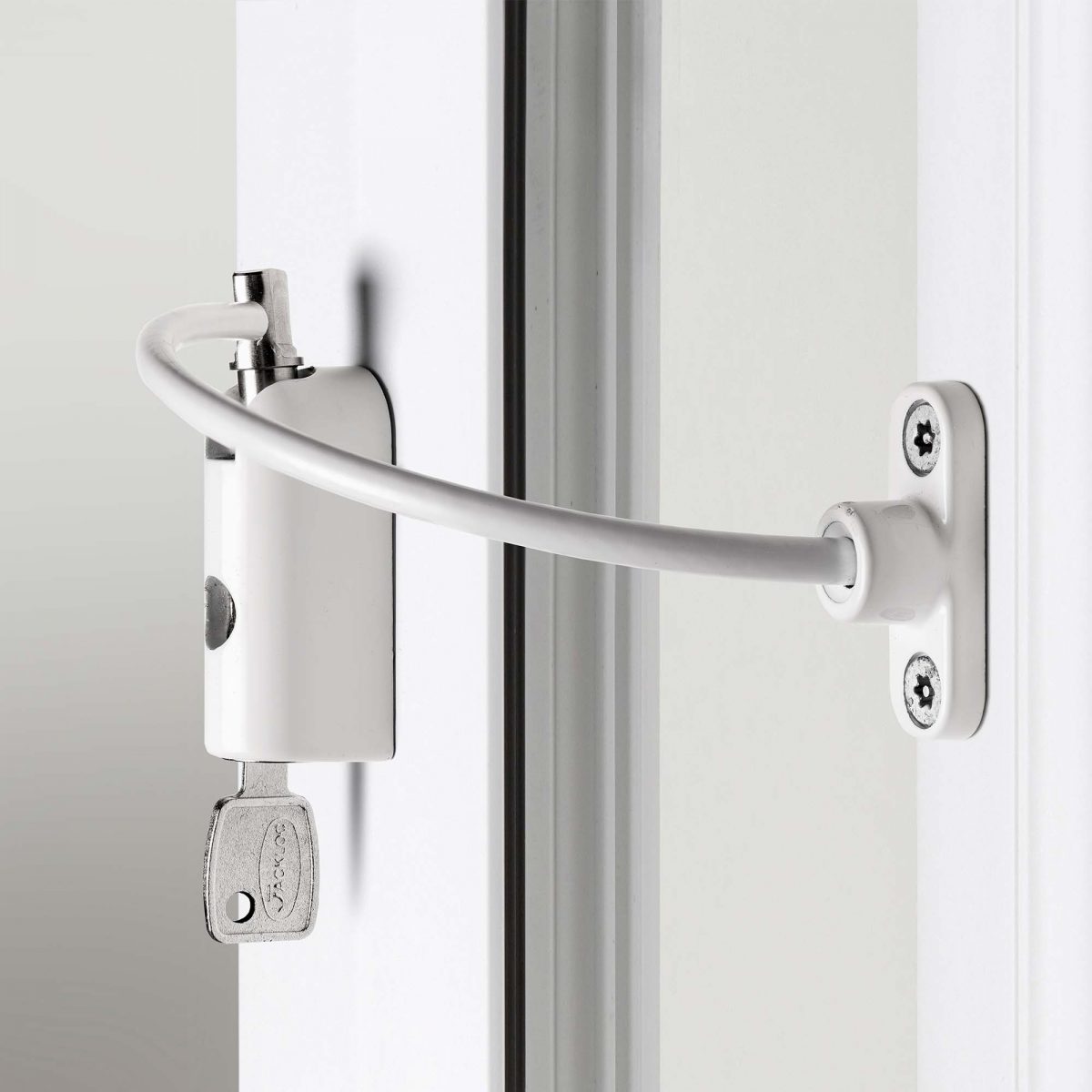
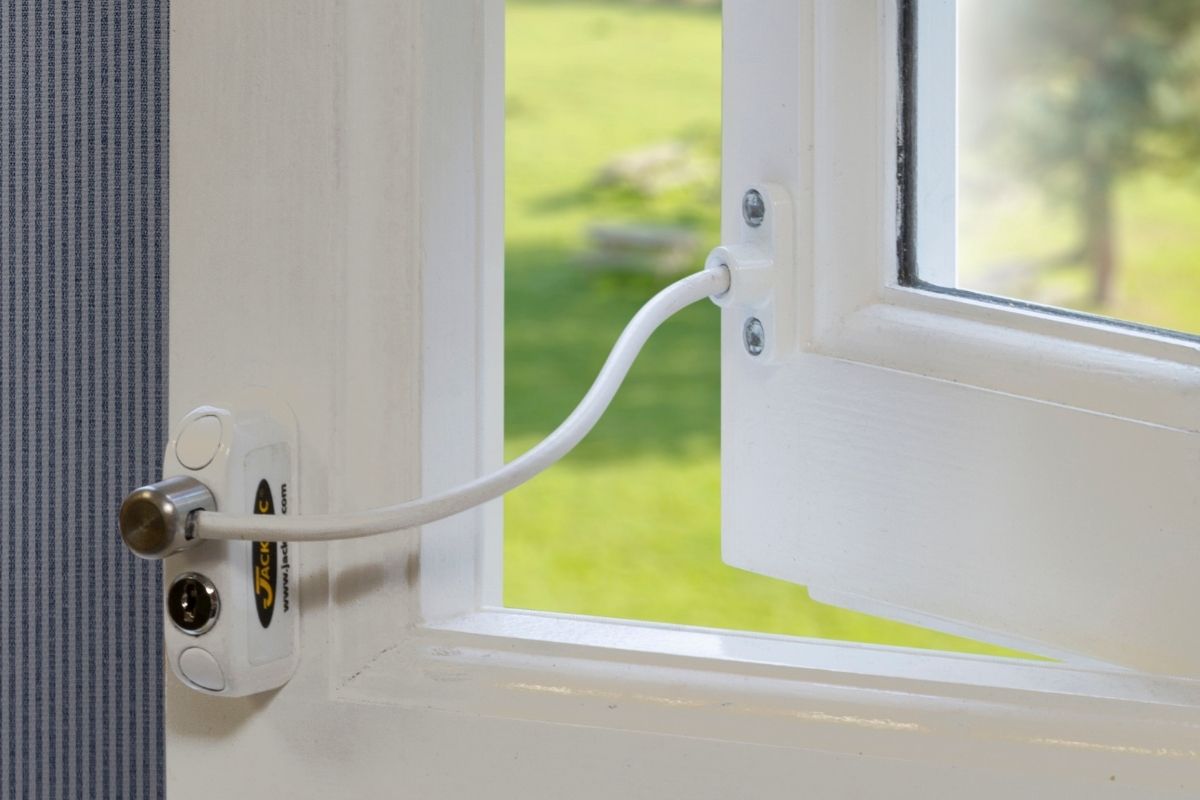
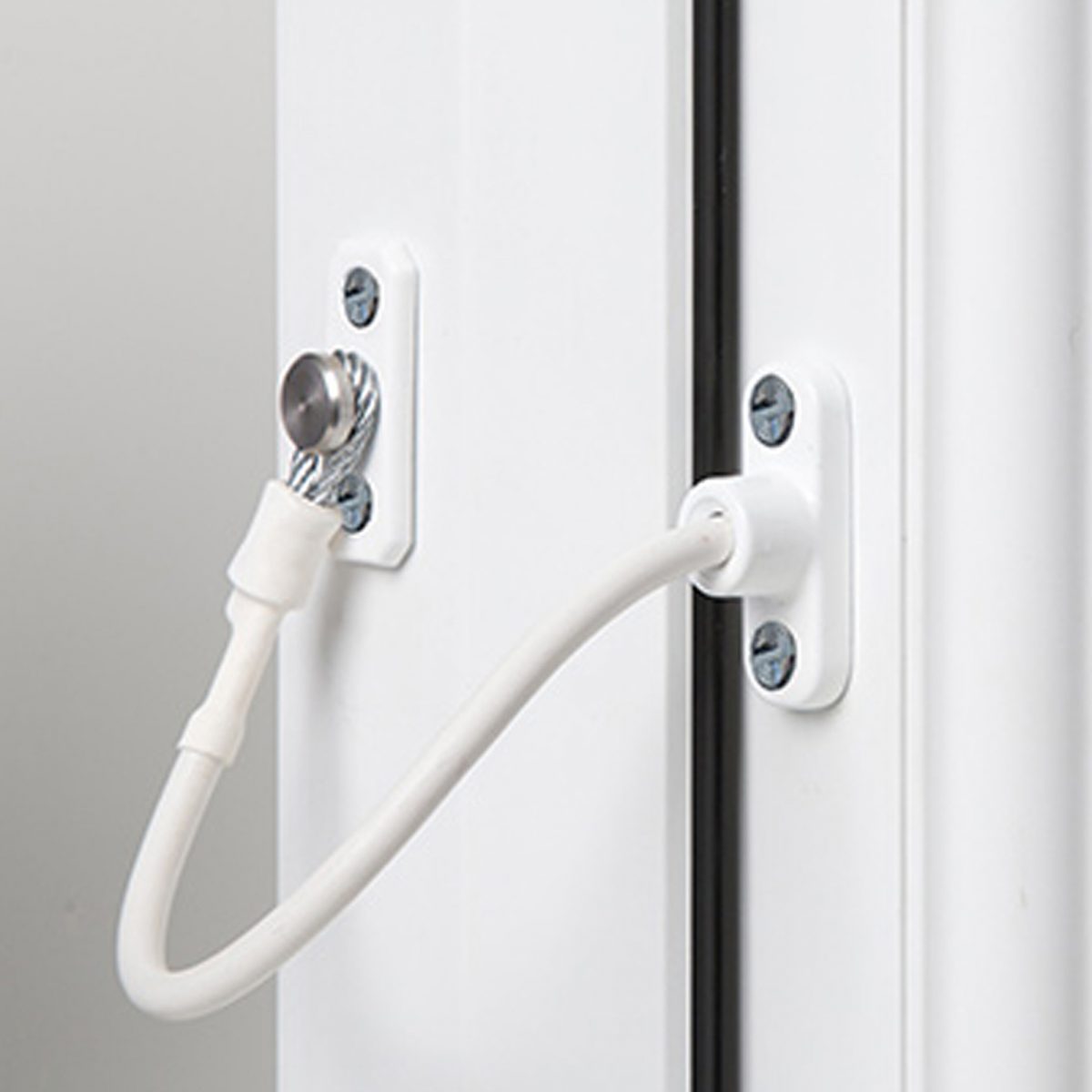
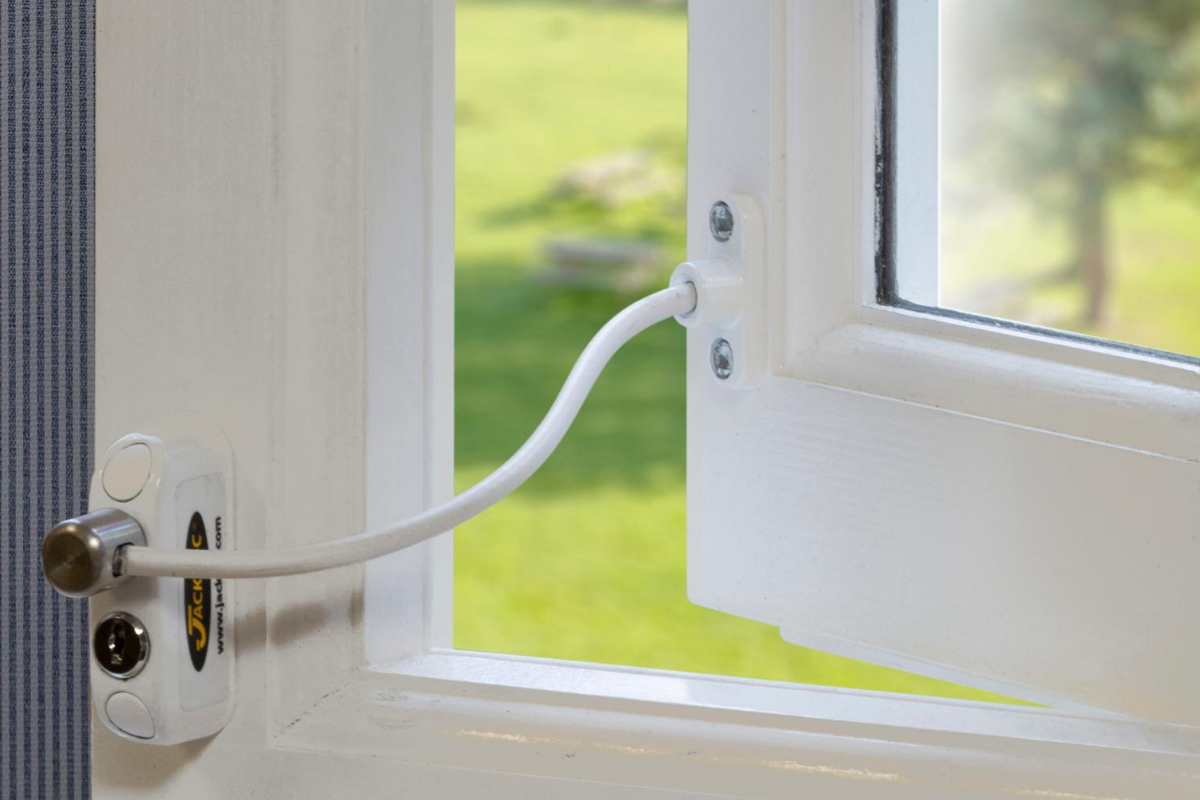
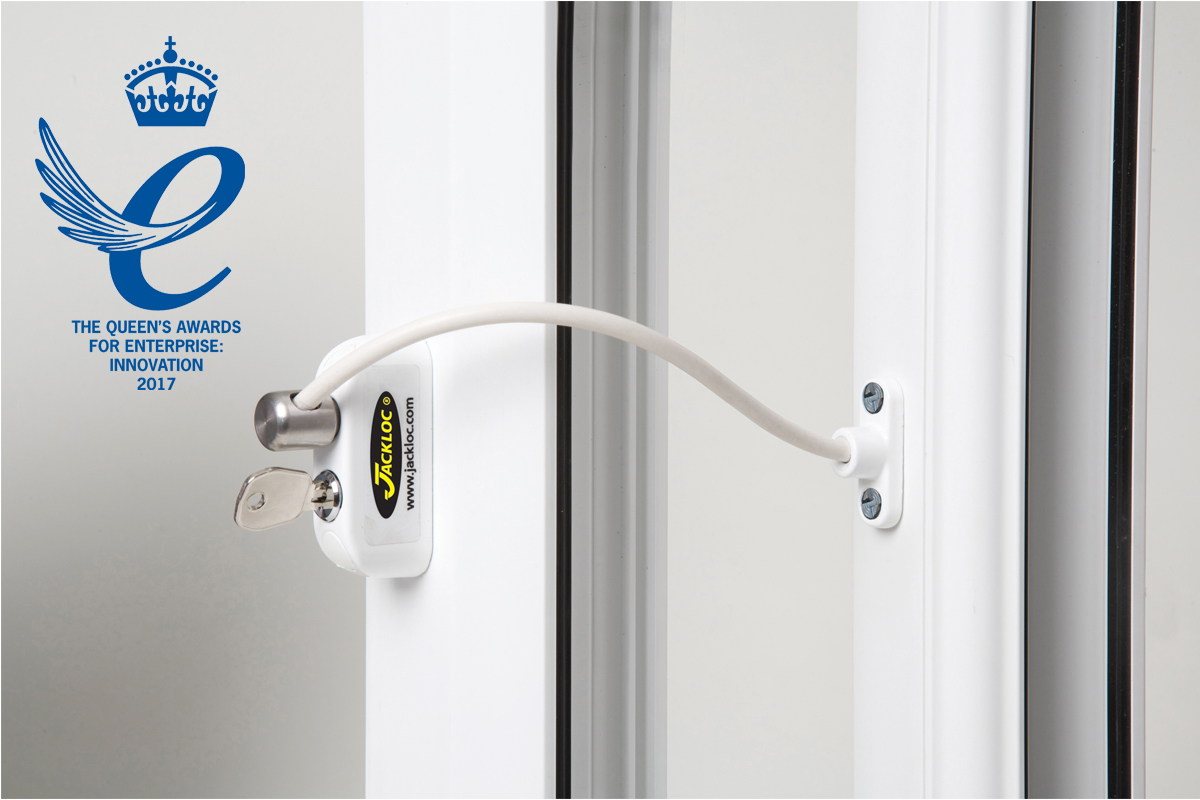
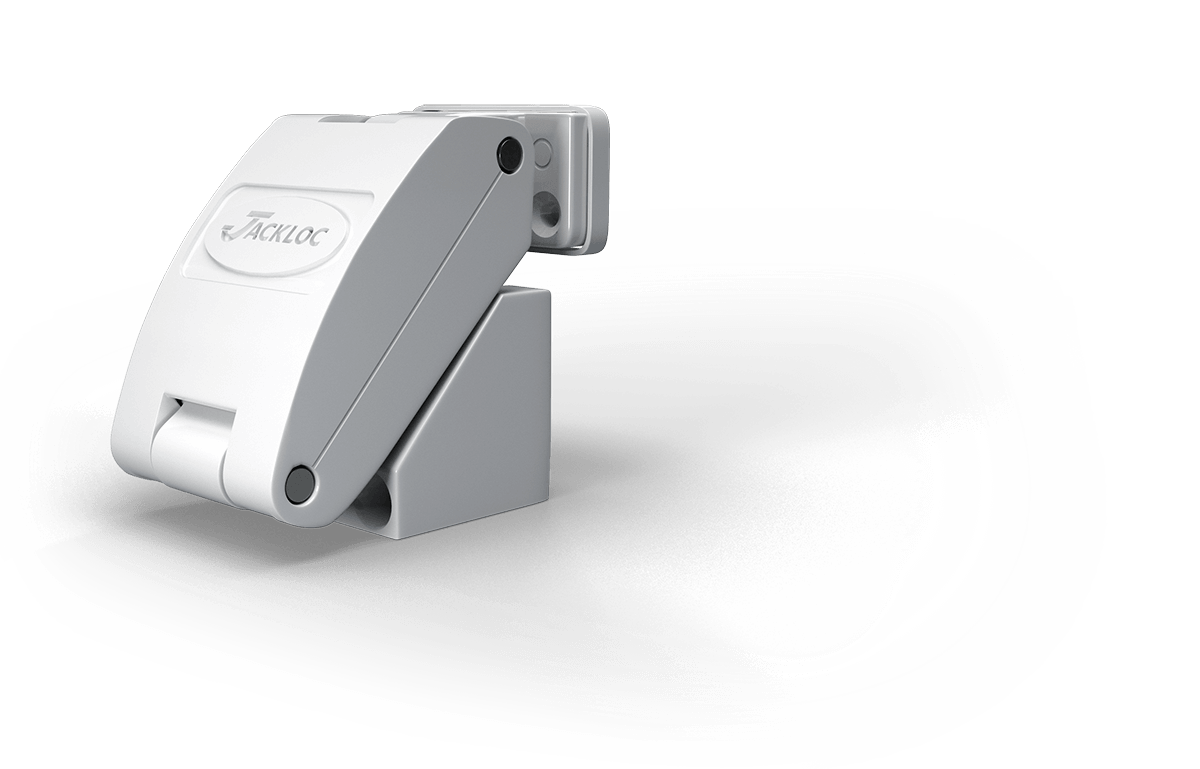
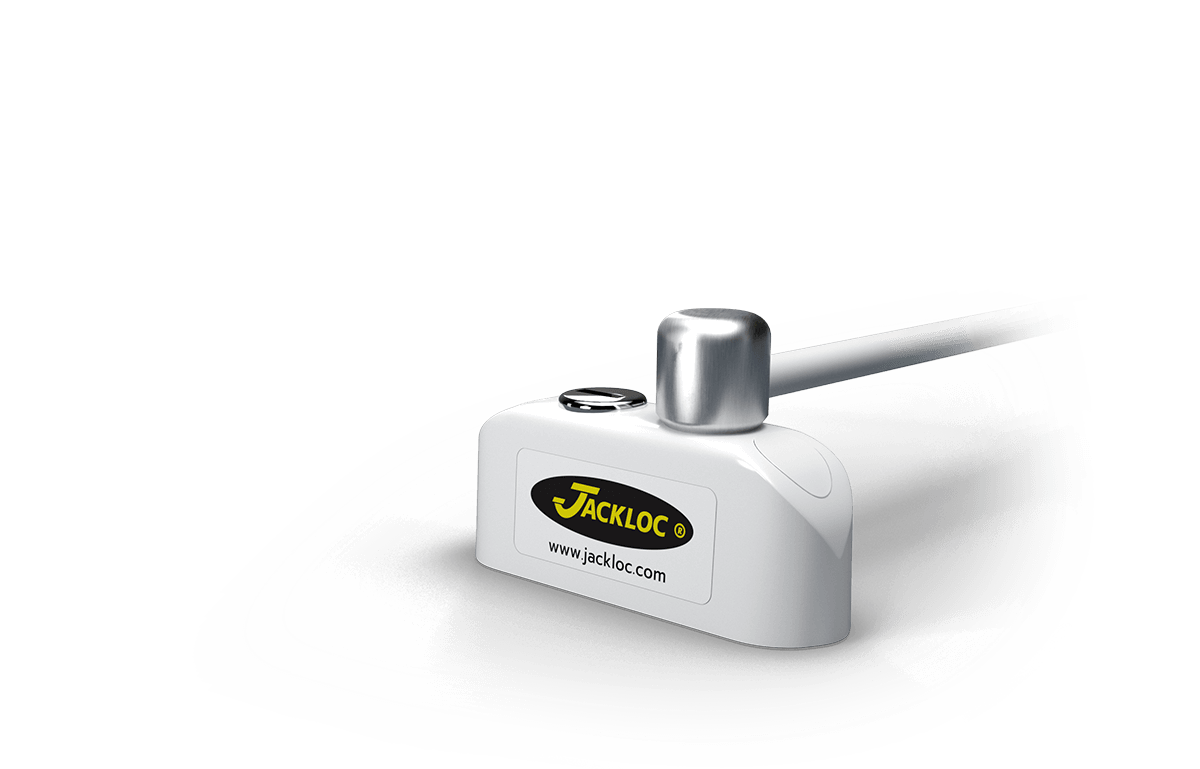
Jackloc takes a whole-system approach, including:
- Restrictor design
- Fixings and installation method
- Anti-tamper considerations
- Long-term durability
Our exclusive security fixings ensure the restrictor remains secure, cannot be easily tampered with, and performs as intended throughout its service life.
Jackloc provides:
- Proven strength beyond compliance
- Products designed specifically for high-risk environments
- Confidence for owners, directors, and safety managers
- Long-term reliability – not short-term savings